Walmart’s Leadership Transition: The Retirement of Doug McMillon
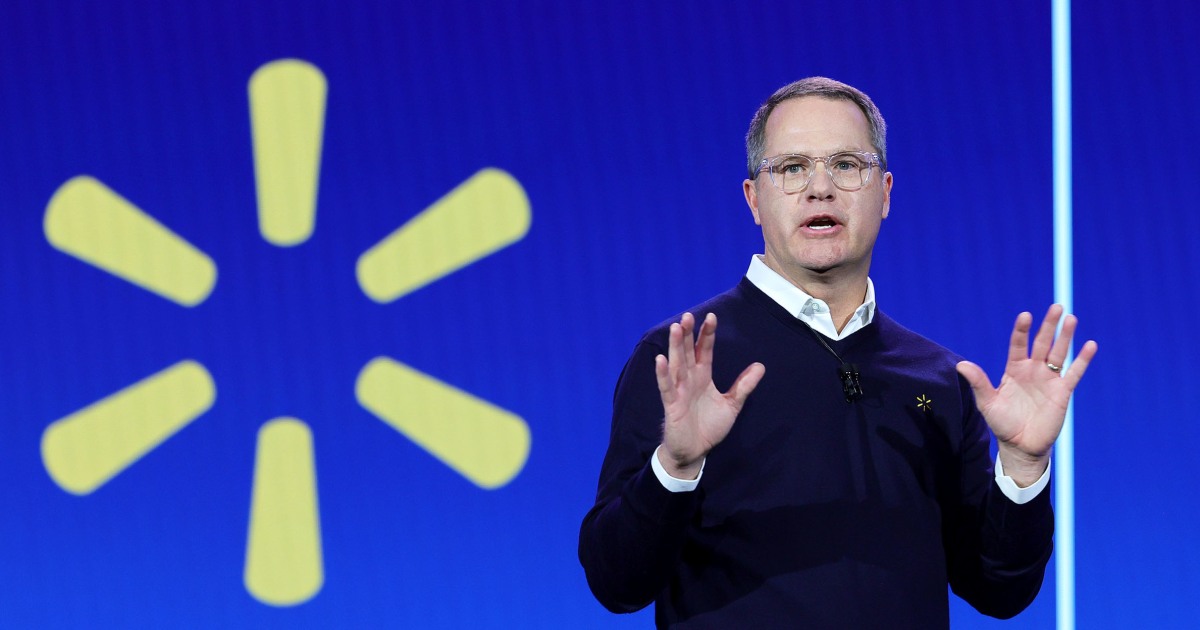
On a notable Friday, Walmart announced that its long-serving CEO, Doug McMillon, will step down at the end of January, a decision that caught many off guard, especially given the company’s achievements in a rapidly changing retail environment. McMillon has been at the helm for nearly a decade, making him only the fifth leader in Walmart’s storied 63-year history. His departure marks a significant moment for the retail behemoth.
John Furner’s Ascension
John Furner, who currently serves as Walmart’s U.S. CEO, will take over the reins as the overall CEO starting February 1. Furner, at 51, boasts a deep-rooted connection to the company, having begun his journey as an hourly associate. This internal promotion signifies Walmart’s commitment to nurturing talent from within, further enhancing its corporate culture.
Doug McMillon’s Legacy
Now 59, McMillon has been a transformative figure since assuming the CEO role in 2014. Over his tenure, he has adeptly shifted Walmart’s image from a budget retailer, often criticized for low wages and poor working conditions, to a more appealing option for middle- and upper-class consumers. Under his leadership, the company has received accolades for innovative personnel policies that prioritize associate well-being.
McMillon has also driven Walmart’s e-commerce growth, making it the second-largest online retailer in the U.S., surpassed only by Amazon. The transformation has been monumental, evidenced by a remarkable 300% increase in Walmart’s stock value during McMillon’s time at the helm.
A Changing Retail Landscape
While Walmart has managed to thrive, the overall retail environment remains volatile. Consumer spending habits are increasingly bifurcated, with wealthier households enjoying greater spending power, while many others continue to feel economic pressures. Despite these challenges, Walmart has reported consistent quarterly results, providing confidence to investors. Share prices have surged approximately 13% in just this year alone.
During an August earnings call, McMillon expressed satisfaction with Walmart’s steady sales, stating, "We aren’t seeing dramatic shifts." This resilience is in stark contrast to competitors like Target, whose shares have tanked by one-third in the same period, leading to a change in its leadership as CEO Brian Cornell announced plans to step down.
Corporate Challenges and Adaptations
Navigating through external pressures has been a defining element of McMillon’s leadership. The tumultuous political climate has led to direct engagements from elected officials and demonstrated consumer willingness to boycott brands over social issues. Walmart has had its share of scrutiny, including criticism from former President Donald Trump regarding price hikes linked to tariffs.
While Trump challenged Walmart’s approach to pricing, arguing for the company to absorb increased costs rather than passing them on to consumers, McMillon clarifies that the changes were gradual enough for consumer habits to adjust without significant uproar.
Interestingly, Walmart’s response to the scrutiny shifted just months later. The company received positive media attention when Trump’s administration heralded Walmart’s 2025 Thanksgiving menu as an example of falling grocery prices, although analysis revealed that this year’s menu offered fewer items than the previous year.
Looking Ahead
As Walmart prepares for its next chapter under Furner’s leadership, the retail giant remains poised to tackle the evolving retail landscape. With expectations set on investing in artificial intelligence and further enhancing customer experiences, Furner is ready to guide Walmart through the next phase of its journey. McMillon, meanwhile, will not exit entirely; he will remain in an advisory role until January 2027, ensuring a smooth transition during this pivotal time.