Engaging with Microsoft: A Journey Through Digital Transformation
Engage with our Experts!
Customers and representatives from Fortune 500 companies are warmly invited to request a virtual engagement about Microsoft’s digital transformation. Our experts from the Microsoft Digital team are ready to share insights and experiences.
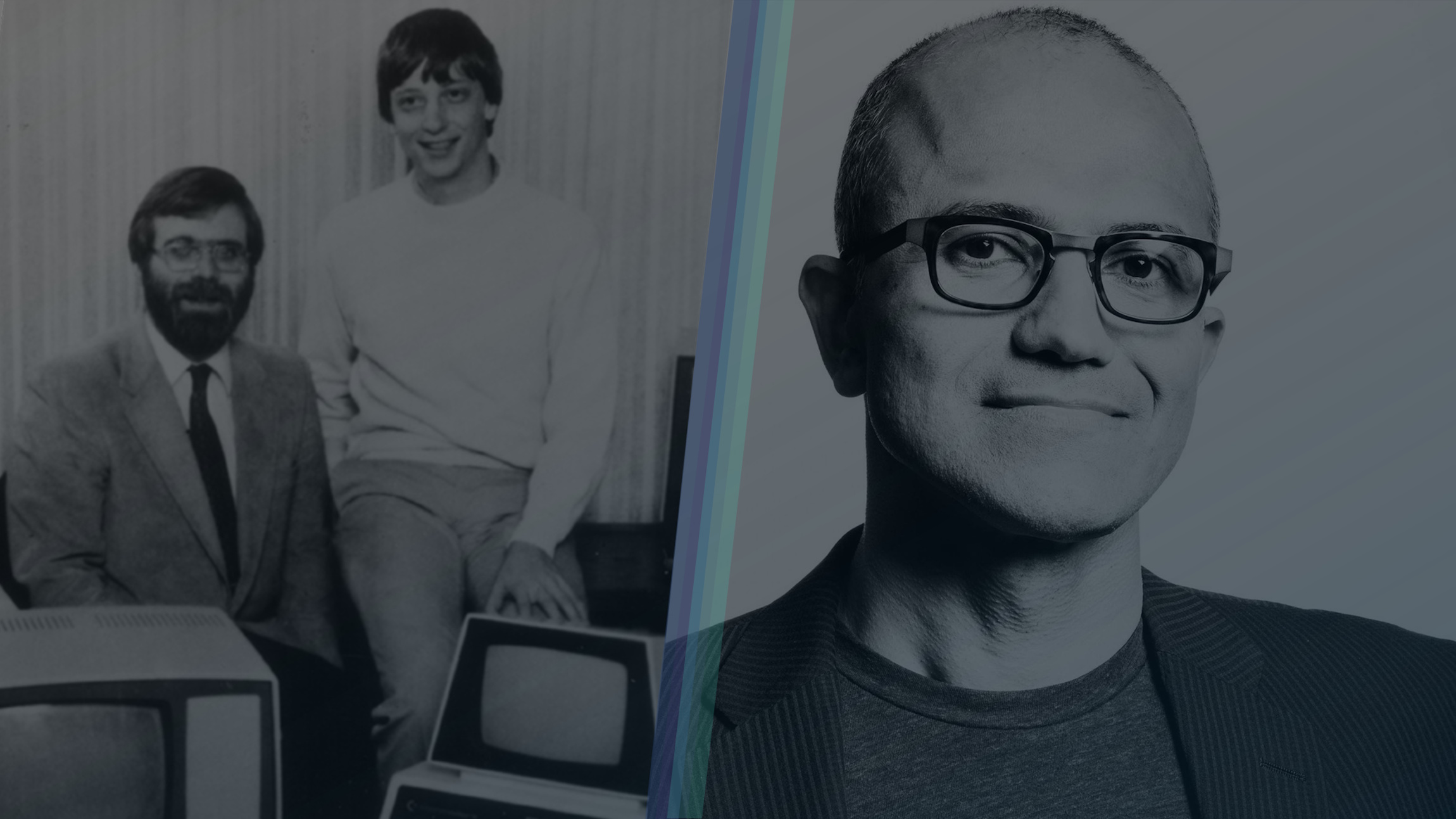
The digital transformation of Microsoft has been a sweeping journey, reflective of the broader trends in the personal computing revolution. Beginning in the days of DOS and early Windows desktops, to the present era dominated by cloud solutions and AI, Microsoft’s evolution is not just about technology; it’s about people, processes, and the organization’s culture.
Today, Microsoft boasts over 220,000 employees who rely on Microsoft Digital—the IT organization—to provide them with the tools and technologies necessary for enhanced productivity.
The Need for Digital Transformation
The evolution of information technology is a tale of relentless change, and recent years have showcased an unprecedented pace of innovation. The advent of AI and other transformative technologies has presented opportunities to reshape how IT services function. The shift to remote working during the COVID-19 pandemic highlighted the unpredictable nature of such transformations, reflecting Microsoft’s adaptability to meet both employee and partner needs.
Mapping Our IT Journey
Microsoft Digital today is a vital force in enhancing employee experiences across devices and applications. Our history can be traced through several major eras, each marked by significant milestones and innovations. Understanding where we’ve been can provide clarity on where we are headed.
On-Premises IT Era (Founding to 2009)
In its formative years, Microsoft relied predominantly on onsite physical technology—servers and data centers characterized this era. IT roles were traditionally narrow, reducing IT teams to "order-takers." With limited funding and formal processes, the era also saw the rise of “shadow IT” as various teams procured their own technologies, sometimes without IT’s guidance. Bill Gates’ Trustworthy Computing initiative laid the groundwork for security and reliability, solidifying a focus on safe computing practices.
The Cloud and Culture Era (2010-2018)
The shift to cloud computing marked a significant pivot for Microsoft. Spearheaded by CEO Steve Ballmer in 2010, this era shifted focus from traditional IT infrastructure to platform-agnostic solutions. Launching Windows Azure was a game-changer, paving the way for productivity efforts transitioned to cloud environments.
This era was also marked by cultural transformation, particularly under CEO Satya Nadella’s leadership. He championed a growth mindset, emphasizing collaboration over competition and encouraging employees to learn from each other rather than merely outshine. The new culture values collective success and innovative thinking, fostering a cooperative environment essential for transformation.
Modern Engineering Era (2018-2023)
Transitioning from IT "order-takers" to a modern engineering organization came with new roles and responsibilities. Now, IT teams are empowered to contribute to strategic directions rather than simply executing existing requests. This shift is characterized by a clear articulation of goals aligned with broader company objectives, necessitating strong collaboration across various departments.
The modernization of IT roles included embracing DevOps and Agile methodologies, aiming for a culture where user-centric design principles influenced service offerings. This focus not only streamlined processes but also enhanced employee engagement and satisfaction.
The AI Era (2023 to Present)
Today, the integration of AI is redefining Microsoft’s approach to IT and its business processes. AI is instrumental in enhancing operational efficiency and innovation, with leaders like corporate vice president Nathalie D’Hers articulating its transformative potential.
D’Hers asserts, “The potential for transformation through AI is nearly limitless,” emphasizing the commitment to evaluating how AI impacts every service offered to employees and customers alike.
Prioritizing Security in IT Operations
Security remains paramount at Microsoft. The Secure Future Initiative embodies the commitment to cybersecurity, ensuring that all operations meet the highest standards of security. Key principles include "Secure by design," "Secure by default," and maintaining a robust operational security environment.
This holistic approach encompasses:
- Identity Protection
- Network Security
- Threat Detection and Remediation
By prioritizing security, Microsoft aims to create a trustworthy ecosystem that safeguards employee and corporate data, enhancing overall operational integrity.
Transforming Employee Experience Through AI
Microsoft is leveraging AI technologies to reshape how employees interact with IT support. Initiatives include a more streamlined experience with self-service IT tools, auto-remediated support requests, and personalized assistance that improves issue resolution efficiency.
Focused Corporate Functions Enhancement
As part of the growing significance of AI, there’s a focused push towards improving support for corporate functions like HR and legal services. By automating labor-intensive processes, Microsoft aims to enhance productivity while ensuring compliance and regulation adherence.
Innovative initiatives such as the Employee Self-Service Agent demonstrate the potential for significantly improving HR services and reshaping labor allocation.
Customer Zero Philosophy
At Microsoft, the ideology of being "Customer Zero" means the organization is the first to leverage its own technologies. By closely monitoring employee experiences and using insights gained, Microsoft continually innovates and optimizes its offerings, ensuring that solutions not only meet internal needs but also extend to customers worldwide.
Key Takeaways
The narrative of Microsoft’s digital transformation illustrates several actionable lessons:
- Vision-Driven Leadership: Articulating a clear vision is crucial for any transformational journey.
- Cultivating a Growth Mindset: Encourage continual learning and adaptation among employees.
- Investing in Talent and Diversity: Prioritize skill development to keep pace with technological advancements.
- Ensuring Robust Security: Security should underpin every operational aspect to maintain trust.
- Fostering Collaboration: Create environments that promote inter-department relationships.
- Pursuing Continual Improvement: Learn from historical experiences to inform future decisions.
For more insights and to learn more about how Microsoft is transforming its IT operations, visit Microsoft Digital Inside Track.
Engaging with the ongoing transformation of Microsoft’s IT landscape offers a rich perspective on how digital solutions can reshape organizational practices and enhance productivity in the modern workplace.