The Micromanagement Dilemma: Balancing Oversight and Innovation in Leadership
In the world of leadership, one intriguing debate centers around the effectiveness of micromanagement. While psychologists assert that oversaturating teams with oversight can stifle creativity, dampen motivation, and ultimately reduce productivity, the reality is more nuanced. Micromanagement isn’t merely a black-and-white character flaw but can be observed as both a detrimental practice and a catalyst for extraordinary success.
The Case Against Micromanagement
At the heart of micromanagement’s criticism lies a substantial body of psychological research. Experts warn that excessively controlling leadership styles can create a culture of dependency, where team members feel unable to make independent decisions. This environment can lead to diminished creativity, as employees may second-guess themselves rather than feeling empowered to innovate. The emotional toll can manifest as burnout, leading to increased turnover and lowered morale.
Throughout various organizations, leaders who micromanage may inadvertently create barriers to growth. By constantly hovering over every detail, they can inhibit their teams from fully realizing their potential, leading to inefficiencies that harm overall productivity and workplace satisfaction.
Iconic Examples: The Success of Steve Jobs
Yet, the narrative shifts dramatically when considering high-profile leaders known for their micromanagement style. Take Steve Jobs, the visionary former CEO of Apple, for instance. Remembered as a titan of innovation, Jobs embodied an intense hands-on approach to leadership. Adam Lashinsky once aptly described him as “a corporate dictator,” overseeing even the minutest of decisions—from the design of the shuttle buses that ferried employees to the cafeteria menu.
What distinguishes Jobs from the typical perception of a micromanager is the profound success that often followed his meticulous oversight. Under his guidance, Apple became a $4 trillion powerhouse, leading the technology sector thanks to products that customers didn’t even know they wanted. Here, Jobs famously remarked, “Our job is to figure out what they’re going to want before they do.” His uncanny ability to anticipate market demands was a direct result of his in-depth involvement in every aspect of product development.
The Lessons from Mickey Drexler
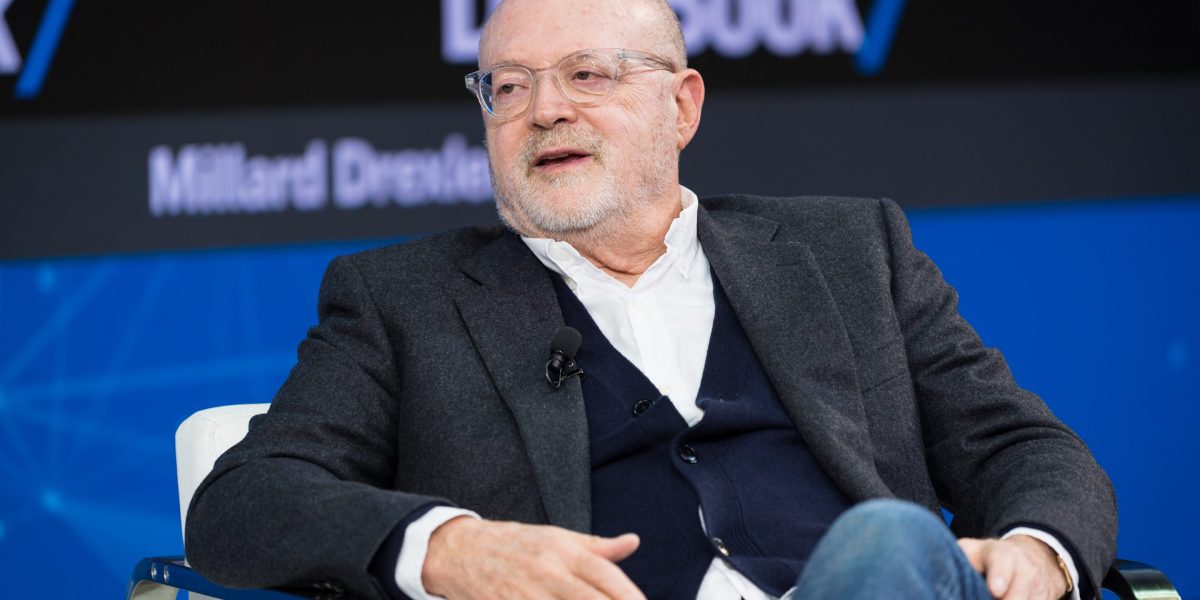
Mickey Drexler, former CEO of Gap and a key figure on Apple’s board, provides another compelling perspective on micromanagement. In a recent episode of Yahoo Finance’s Opening Bid podcast, Drexler defended his own experiences with micromanagement, particularly those gleaned from Jobs. His praise for Jobs underscores an important point: micromanagement, when executed thoughtfully, can actually lead to commendable achievements.
Drexler characterized Jobs as a unique, once-in-a-lifetime leader who insisted on quality down to the details—his famous “no-bozos policy” ensured teams were composed of competent individuals capable of driving results. He articulated that, while he himself embraces a hands-on approach, he also strives for a balance where leadership supports rather than suffocates creativity.
As Drexler notes, “Micromanaging is what it is. If you’re managing as a leader, set the tone. I’m proud to be a micromanager for what a customer sees, feels, and hears.” This instance illustrates that while micromanagement may carry its negative connotations, it can also serve as a means to ensure high standards, particularly in industries where customer experience is paramount.
Engaging with Customer Expectations
Drexler’s emphasis on customer interaction highlights another potential strength of micromanagement. By maintaining stringent oversight, leaders can ensure that their organizations consistently meet, or even exceed, customer expectations. For Drexler, the goal isn’t merely to respond to market demands but to redefine industry standards from "average” to “best-in-class."
“The world’s become kind of average in its standards,” Drexler asserts. “But average is not good enough to me.” This focus on quality is crucial in retail and consumer goods, where every detail influences a customer’s perception and decision to purchase.
Balancing Act: Adaptation and Individuality
Though Drexler acknowledges he took inspiration from Jobs, he has also carved out a unique leadership identity. He openly admits, “I didn’t learn to be extremely demanding [from Jobs]; that’s what I’ve always been: a tough boss.” His perspective reinforces an essential conversation in leadership styles: the importance of adapting practices to fit one’s unique philosophies while still finding inspiration from other leaders.
In summary, the debate surrounding micromanagement continues to evolve, shaped by the experiences of influential leaders like Steve Jobs and Mickey Drexler. The challenge lies in finding the right balance between oversight and independence, between direction and creativity. Whether viewed as a flaw or a strategic approach, micromanagement persists as a complex and often controversial aspect of effective leadership.