The Scent of Christmas Trees: What Makes Them Special
As the holiday season approaches, the iconic aroma of Christmas trees wafts through homes across America, evoking feelings of warmth, nostalgia, and celebration. While the leaves of these trees remain unchanged, researchers at Washington State University (WSU) are delving into the olfactory importance of Christmas trees, exploring what makes their scent so special.
Researching Tree Aromas
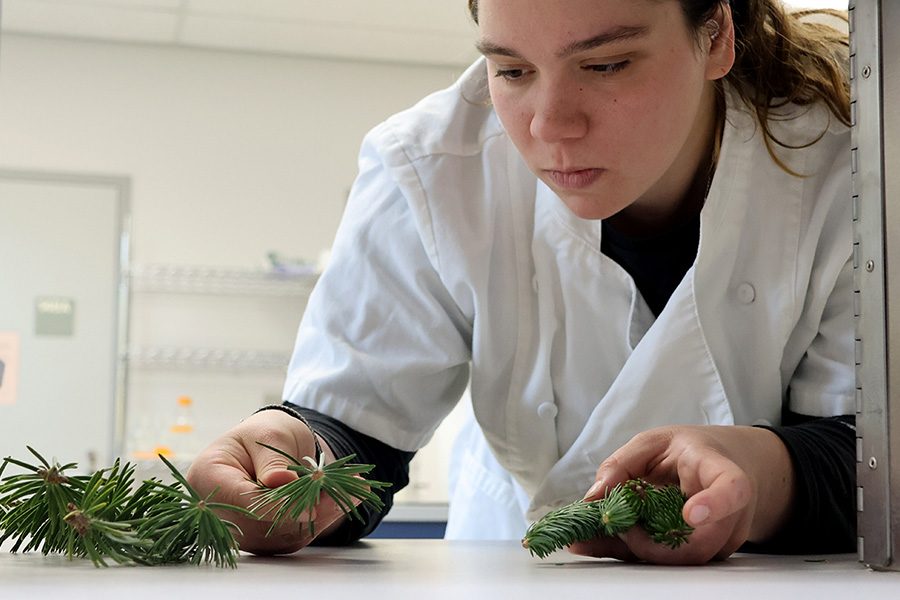
This fall, scientists from WSU’s School of Food Science conducted a series of sensory panels that engaged experts from various regions of the country to evaluate samples from six different coniferous tree species commonly used during Christmas. The trees in question included Fraser, noble, balsam, concolor, Nordmann, and Trojan firs. The goal of this research is to understand the aromatic profiles that different species provide, potentially influencing consumer preferences and future planting practices.
The Minds Behind the Research
Leading this intriguing exploration is Gary Chastagner, an emeritus plant pathologist at WSU, affectionately known as “Dr. Christmas Tree.” Another key figure in this project is Carolyn Ross, a Regents professor at the university. Together, they aim to uncover regional aroma preferences that could guide growers in producing varieties that resonate with consumers. This research is part of a broader initiative funded by a robust $7.4 million USDA National Institute of Food and Agriculture grant, emphasizing its importance in the agricultural landscape.
The Science of Scent
At the heart of Christmas tree aromas are terpenes—volatile organic compounds that serve myriad functions in the plant kingdom. These compounds help trees resist diseases, attract pollinators, and defend against herbivores. The resulting scents can range dramatically. Some trees impart a classic piney fragrance, while others may offer citrusy notes or even a more unusual scent akin to kerosene.
Chastagner encapsulates the essence of the research with a pointed question: "What aroma are we looking for, and how can we enhance it?" This inquiry underscores the significance of scent not just for ambiance but as a quality measure in the Christmas tree industry.
Why Scent Matters
In the world of Christmas trees, aroma plays a critical role alongside other factors like tree shape, growth rate, and resilience to pests and diseases. The ability of a tree to withstand the festive rigors of a month spent adorned with ornaments and twinkling lights is crucial, but the scent it emits can elevate a holiday experience from ordinary to magical.
Understanding consumer preferences isn’t just beneficial for the aesthetics of home decor; it helps growers make informed decisions about which tree varieties to cultivate. Chastagner expresses a vision for this research: "If you can better understand your consumer, you can make better decisions." This insight aligns with a broader goal to produce high-quality trees that people are excited to showcase in their homes.
Looking to the Future
As the sensory research continues, the implications extend beyond the immediate holiday season. By identifying preference trends, researchers hope to inform growers about the types of trees that would perform well in various regions, tailoring choices to local tastes. Such strategies can not only boost customer satisfaction but also enhance the overall viability of the Christmas tree market.
By fostering a deeper understanding of the intersection between scent and consumer preference, WSU’s research promises to bring a refreshing approach to the age-old tradition of selecting the perfect Christmas tree. As families across America begin their search for the right tree, WSU’s findings may influence decisions from tree farms to living rooms, ensuring that the spirit of the holiday season is fragrant and bright.