Understanding the Evolving Landscape of Indian Country’s Economy
As we look toward the end of 2024, the dynamics shaping Indian Country’s economy appear to be more complex than ever. After an election cycle marked by significant shifts, it’s crucial to delve into the key areas affecting tribal economies—from energy policies to tax regulations—and explore how these changes challenge and redefine opportunities in Indian Country.
Energy Sovereignty: Navigating New Realities
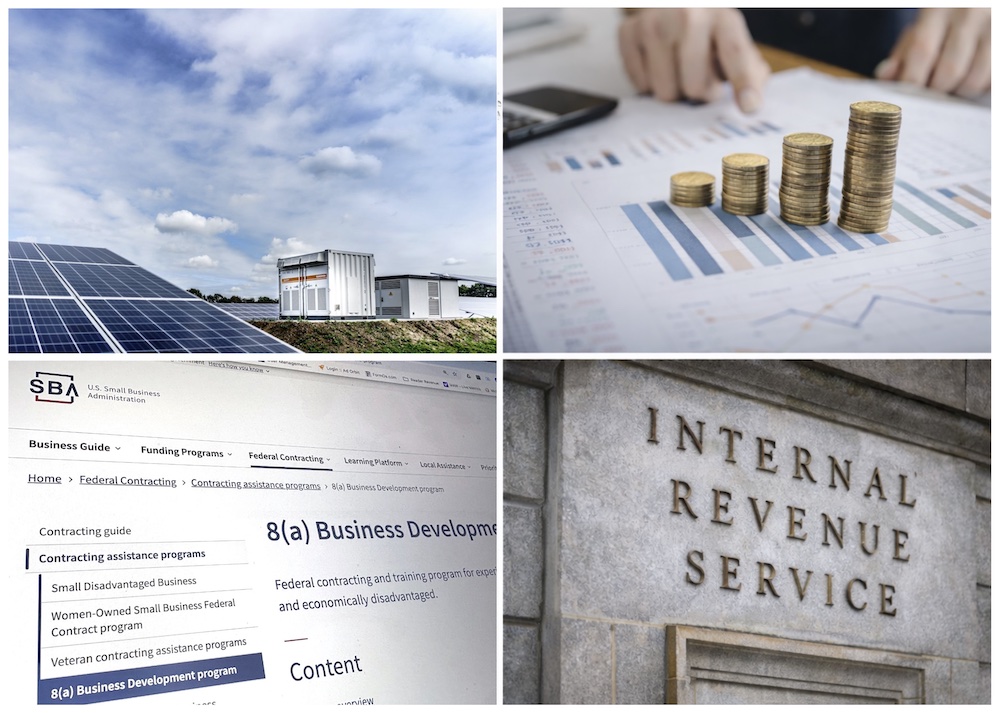
Under the shifting priorities of the recent administration, the energy landscape for tribes has become increasingly precarious. An abrupt termination of over $2 billion in funding, coupled with the cessation of crucial tax credits, has profoundly impacted clean energy initiatives. Tribes must now grapple with rising energy costs and delays in renewable projects that relied heavily on federal support.
Moving into 2026, the focus will be on how tribes reclaim energy sovereignty amid these challenges. As renewable paths falter, there is growing interest in traditional energy sources such as oil, gas, and biomass. The strategies tribes employ to bridge the clean energy funding gap—whether by developing internal resources, forming partnerships with nonprofits, or restructuring projects—will be essential to monitor. The core inquiry remains: which energy strategies can tribes effectively control and finance as federal policies fluctuate?
The Impact of Tax Certainty on Tribal Business
In a significant development for tribal economies, the U.S. Department of the Treasury issued two crucial tribal tax regulations in late 2025. These rules clarify the federal tax treatment of tribal general welfare programs and affirm the tax-exempt status of tribally owned businesses. While this regulatory shift seemingly resolves longstanding ambiguities, its real-world effects hinge on thorough implementation.
As we move forward, it will be essential to observe whether this newfound tax certainty encourages tribes to revisit their financial frameworks. Will this lead to innovative financing structures, revitalized housing and education programs, or increased small business growth? Additionally, the capacity of the IRS to enforce these new regulations will play a significant role in shaping outcomes for tribes. The forthcoming year will serve as a barometer for the practical impacts of these regulations.
Evolving Native Finance: New Architectural Models
The financing landscape in Indian Country is undergoing a transformation. Native-led financial institutions are not just improving access to capital but are also reshaping how financial resources are mobilized. With a focus on innovative financing strategies, including participatory loans and diversified funding sources, tribes are increasingly taking control of their financial destinies.
The progress made in 2025 will be pivotal in 2026, as we track how these Native finance institutions navigate growth while managing risk. As tribes increasingly carry financial risks themselves, the architectural models they create will inevitably influence economic decision-making across various sectors.
Federal Contracting: The Shifting Ground
Federal contracting stands as a vital economic engine for tribes, contributing billions to their economies each year. However, recent audits of the SBA’s 8(a) Business Development Program have introduced an element of uncertainty. High compliance demands and an intensified scrutiny environment present new challenges for tribal enterprises, especially as they seek to maintain their competitive edge.
This year, we will closely monitor the fallout from these developments, including audit outcomes and changes in federal oversight. As political pressures mount, the unique relationship tribes hold with their communities will also come into play. This dual accountability—both to economic necessity and cultural values—will shape how tribes approach federal contracts and governance.
Additional Economic Areas of Focus
Real Estate and Housing
As 2026 unfolds, the tribal housing crisis intensifies. Existing shortages are exacerbated by rising costs and federal uncertainty. Key issues like the reauthorization of NAHASDA and innovative housing solutions will come under the microscope.
Tribal Gaming
Litigation remains a significant factor in tribal gaming, affecting everything from land disputes to new gaming platforms. The evolving legal landscape will have implications on tribal authority and development strategies.
Agriculture and Food Sovereignty
With federal funding becoming increasingly unpredictable, tribal agricultural producers may find themselves in a precarious position. We will explore how tribes adjust to shifting USDA programs and pursue food sovereignty initiatives as part of their broader economic strategies.
Small Business Development
Indigenous small businesses play a crucial role in fostering local economies. In 2026, we will track their strategies to overcome challenges related to capital access and government procurement opportunities, alongside the adaptive measures implemented by tribal governments and financial organizations.
By examining these diverse themes, we aim to gain a comprehensive understanding of the evolving economic landscape in Indian Country. The interplay of these factors will undoubtedly shape tribal economies and community resilience in the coming years.