The Thriving Startup Ecosystem in Kerala
The approach to startups and business in Kerala has undergone a substantial transformation in recent years. No longer confined to traditional family-run enterprises, entrepreneurship is increasingly recognized as a dynamic career path, particularly among students and young professionals. With robust government-led initiatives and a growing financial and mentorship infrastructure, Kerala’s startup ecosystem is evolving at an impressive pace.
A Shift in Perception
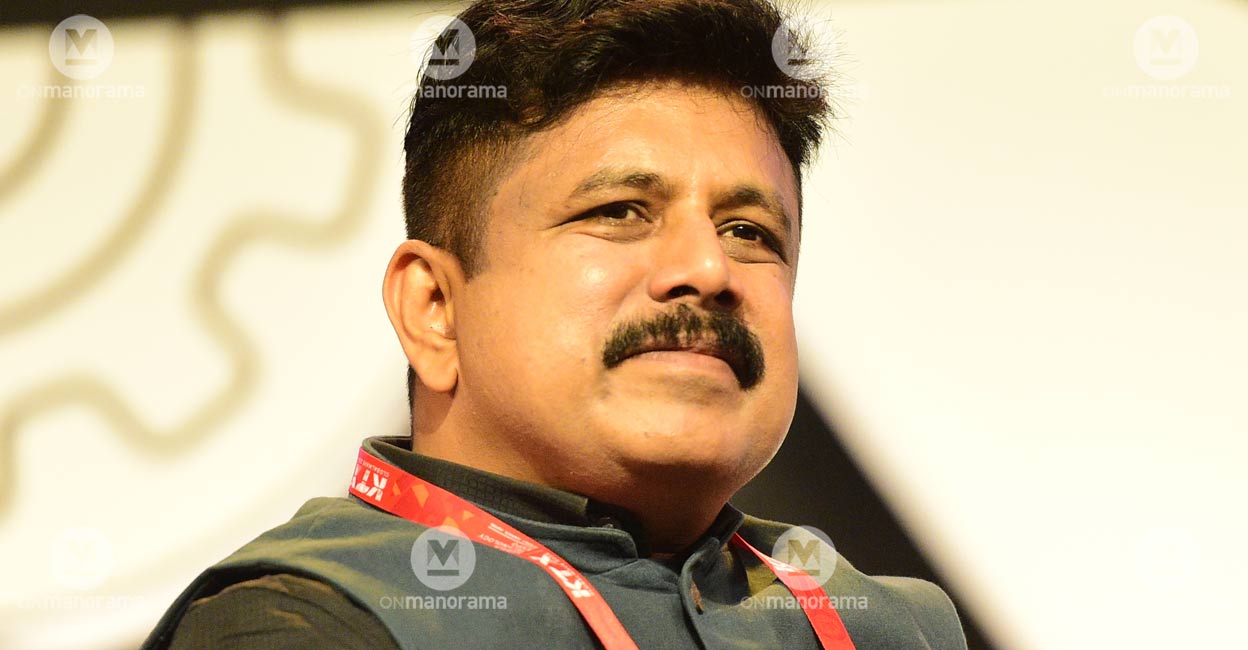
“Entrepreneurship, once seen as a fallback option, is now a viable and attractive career—particularly among the youth,” says Anoop Ambika, CEO of the Kerala Startup Mission (KSUM). This shift has been facilitated by an ecosystem that includes government bodies, investors, educational institutions, and industry influencers, all of whom are demonstrating unwavering support for innovators. Over the past eight to nine years, KSUM has aided more than 6,300 startups, attracting nearly $1 billion in investments into the state.
Understanding Startups
Ambika defines a startup as a venture that significantly improves a product, process, or business model to enhance customer experience. “If you can deliver this improvement at scale while creating substantial value, you’re running a startup,” he explains. Startups can emerge through various approaches. Some may develop ground-breaking products that meet critical needs—like vaccines produced by Moderna, Bharat Biotech, and Serum Institute during the COVID-19 pandemic—while others might concentrate on enhancing customer experiences, as seen with giants like Swiggy and BookMyShow. Additionally, some startups focus on refining existing processes, utilizing technology to improve agricultural produce preservation and distribution.
Comprehensive Support from KSUM
The Kerala Startup Mission has laid out a robust support system for nurturing early-stage innovators.
1. Infrastructure
KSUM offers a suite of infrastructure services through its LEAP Co-working Spaces spread across 15 locations, including Thiruvananthapuram, Kochi, and Kozhikode. These co-working spaces provide affordable workspaces that facilitate collaboration among startups. Furthermore, the Super Fab Lab—developed in collaboration with MIT—and Mini Fab Labs furnish cutting-edge prototyping facilities. “If you’re a maker wanting to prototype a design, Fab Labs offer state-of-the-art equipment to make it real,” Ambika points out.
2. Incubation
Kerala boasts 10 government-recognized incubators under the aegis of the Department of Science & Technology and the Department of Biotechnology. Prominent examples include Maker Village in Kalamassery, India’s first hardware incubator, and TrEST Park, dedicated to semiconductor and electronics startups.
3. Sector-Specific Hubs
A new tech hub in Thiruvananthapuram is focusing on agriculture, digital media, renewable energy, health and life sciences, and space technology. “We aim to integrate emerging technologies like AI, data analytics, cloud computing, and genome computing into these sectors,” Ambika elaborates.
Financial Opportunities
KSUM also provides early-stage grants ranging from ₹3 lakh to ₹15 lakh, which are non-repayable and equity-free. Startups can tap into funding through the Startup India seed funds and angel networks like Ignite and the Kerala Angel Network, which invested ₹6–10 crore last year. In addition, venture capital opportunities facilitated by KSIDC and KFC offer low-interest loans of ₹2 crore to ₹10 crore, alongside support from the government’s Fund of Funds model.
One noteworthy initiative is Government as a Marketplace, enabling direct procurement of products from startups, with a limit of ₹50 lakh, and up to ₹3 crore via limited tenders.
Industry Connections
KSUM’s Corporate Connect program connects startups with larger firms to address industry-specific challenges. “If a company has a problem, it can pitch it to us, and we find the right startup with a solution. This reverse pitch model is already yielding results,” Ambika explains. KSUM also leads delegations to international tech events like GITEX, Mobile World Congress, and CES, offering Kerala-based startups opportunities for global exposure. Domestically, they participate in various trade shows to showcase local innovations while maintaining a strong mentorship network to guide startups in areas such as go-to-market strategies, investment, infrastructure, and customer development.
Fostering a Fearless Entrepreneurial Spirit
Despite these advancements, the fear of failure still acts as a deterrent for some aspiring entrepreneurs. Ambika encourages a different perspective: “I wouldn’t call it failure—I’d call it moving on. It’s part of the journey.” He emphasizes the importance of thinking globally, noting that with decentralized information and an environment that fosters creativity, Kerala can build products that compete on a global scale.
The Road Ahead
"Kerala possesses quality education, skilled manpower, and a supportive ecosystem," Ambika asserts. He believes that if these assets are harnessed effectively, Kerala has the potential to emerge as a global innovation hub in the coming decade.