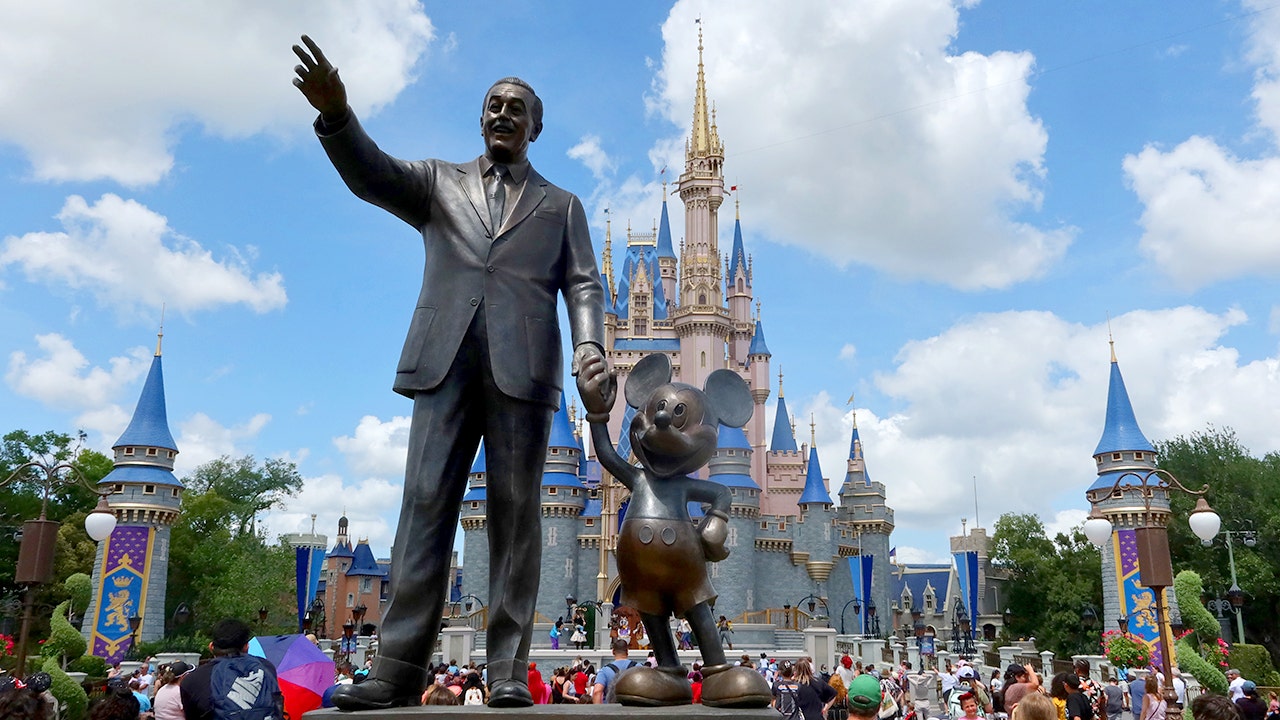
Disney’s Shift in Strategic Focus: A Deep Dive into DEI Changes
In a surprising move, Disney has announced a significant shift in its approach to Diversity, Equity, and Inclusion (DEI) within its corporate structure. This change was highlighted when Disney’s 2025 Form 10-K, filed recently, notably omitted the words "diversity," "inclusion," "DEI," and even "diversity, equity, and inclusion" for the first time in five years. The decision sends shockwaves through the company and resonates widely across various sectors, particularly since it marks a stark contrast to the previous year’s SEC filing, which dedicated a section explicitly to DEI.
Scrutiny Over Diversity Language
The absence of language surrounding DEI in Disney’s latest report has raised eyebrows, especially when contrasted with earlier reports. The 2024 SEC filing, for instance, included an entire section that articulated the company’s DEI goals, stating a commitment to building teams reflective of their audience’s life experiences and promoting diverse perspectives in their creative and production processes. It was also noted that over 100 employee-led groups existed to support diverse communities within the workforce.
This drastic reduction in DEI-related terminology coincides with broader scrutiny over corporate America’s engagement with such initiatives, particularly from investor groups like Trian Partners, who have played a pivotal role in influencing Disney’s strategic choices.
Financial Context of "Equity"
Interestingly, while references to "diversity" and "inclusion" are wholly absent, the term "equity" appeared approximately 130 times in the recent filing—but strictly from a financial standpoint. This shift towards a more metrics-driven focus indicates a potential redirection of corporate strategy that places less emphasis on social initiatives and more on fiscal prudence.
Corporate Pushback and Shareholder Reaction
The back-and-forth surrounding DEI initiatives within Disney has also bubbled to the surface through various shareholder votes. Recently, shareholders voted against proposals to distance the company from LGBTQ+ groups, highlighting a divide in corporate governance and social responsibility—one that could have lasting impacts on Disney’s brand identity moving forward.
Despite withdrawing from some of its DEI programs, including the controversial "Reimagine Tomorrow," Disney has simultaneously earned a top score of 100 from the Human Rights Campaign (HRC) corporate equality index, emphasizing its commitment to LGBTQ+ rights. This duality of actions—backing off from direct DEI language while still maintaining accolades for diversity policies—illustrates the complex corporate landscape where public perception, financial performance, and social responsibility are often at odds.
The Role of Employees and Communities
Disney’s employees continue to play a significant role in shaping the company’s culture and policies. The 2024 report emphasized initiatives focused on engaging creative executives from underrepresented backgrounds, emphasizing a commitment to community engagement. However, recent eliminations of specific programs have left many questioning whether Disney is retreating from its social responsibilities or simply recalibrating its initiatives to appease a broader audience—including investors who may feel that DEI initiatives complicate financial performance.
A Shift Towards "Belonging"
Interestingly, the first-ever "Global Belonging Week" hosted by Disney reflected an emerging trend toward language and initiatives centered around "belonging" and "inclusion" while sidestepping the explicit mention of "diversity." This could suggest an evolution in how corporations perceive community engagement, favoring terminology that resonates with a wider audience without necessarily alienating shareholders.
The Broader Impacts of Disney’s Decision
Disney’s recent alterations in DEI reporting and program implementation don’t occur in a vacuum. They reflect growing pressures faced by corporate leaders across industries to balance philanthropic and social justice initiatives with shareholder expectations. Companies everywhere are grappling with how to present their policies in a manner that is both socially responsible and financially viable.
As Disney navigates its path through these complex waters, the decisions it makes will not just influence its future but could set precedent and raise questions for other companies looking to chart similar waters. This will be an ongoing area of interest, as the landscape of corporate social responsibility continues to evolve amid public scrutiny and stakeholder expectations.