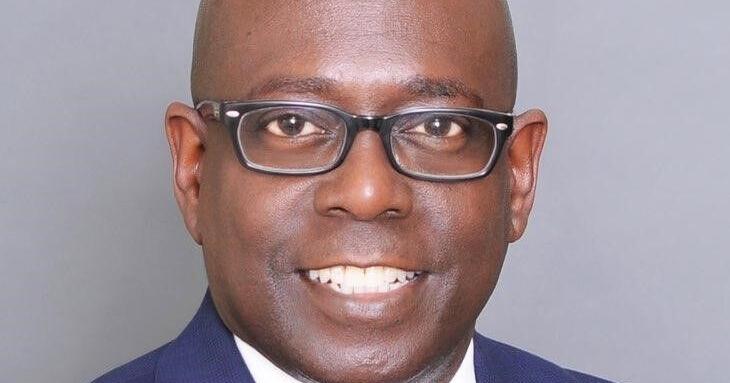
Percy Manson: Bridging Capital and Community Development
Percy Manson has established himself as a crucial figure at the intersection of capital and community development. With his roots in Kenner, Louisiana, Manson leverages his extensive background in banking and campaign consulting to drive growth and opportunities in underserved neighborhoods. After serving nearly a decade as a commercial banker at Gulf Coast Bank & Trust Co., Manson made a significant shift last year, joining Hope Credit Union as a senior vice president of community economic development. In this role, he leads a statewide team dedicated to revitalizing communities across several states.
The Mission of Hope Credit Union
Hope Credit Union was founded in 1995 in Jackson, Mississippi, by CEO Bill Bynum. Its mission focuses on providing access to capital and financial services for underserved communities in the Deep South. Over the decades, the credit union has expanded to serve over 40,000 members and boasts assets amounting to $739 million. In the past year alone, Hope financed more than $210 million in community development efforts across Alabama, Arkansas, Louisiana, Mississippi, and Tennessee, making strides in areas that often get overlooked by traditional financial institutions.
Impactful Lending Practices
In the first half of 2025, Hope Credit Union has made remarkable advancements in the lending sector, closing more than 400 home loans. Notably, 87% of these loans were extended to first-time homebuyers, showcasing a commitment to fostering homeownership among newcomers. Additionally, the credit union has supported nearly 60 small businesses and community economic development loans, with a striking 89% of these funds directed to economically distressed areas.
Manson’s perspective on Hope’s unique position in the market is enlightening, especially regarding the challenges faced by individuals in areas like Selma, Alabama. He notes that many banks shy away from such places but emphasizes that Hope is committed to offering financial support and guidance. This approach includes flexible lending options that cater to small businesses, which are often underserved by traditional banks.
Addressing Barriers for Small Business Owners
Manson recognizes that small business owners face several hurdles when seeking capital. Many clients come to Hope with little to no banking experience, necessitating a supportive approach. Through initiatives like "lunch and learns," Manson raises awareness in communities about what is required for securing loans—essential information that equips potential borrowers with the tools they need to succeed.
Part of this educational effort involves collaboration with technical assistance providers who help clients prepare their financials—covering everything from profit and loss statements to tax returns. By guiding clients through the complex process of becoming bankable, Hope ensures that individuals are ready to access needed funding.
Innovative Programs for Underserved Communities
Beyond education, technical assistance is a primary tool used by Hope to extend financing to underserved communities. Manson points out that understanding both business and personal credit is crucial in the lending process. This dual consideration allows Hope to make informed decisions about capital allocation.
As Hope continues to evolve, Manson identifies promising opportunities for growth. As a community development financial institution (CDFI), Hope has been influential in charter school lending and partnerships with other credit unions to tackle larger projects. Recently, Manson has noticed a growing interest in real estate investments, signaling a positive outlook for economic rejuvenation.
Navigating Economic Challenges
Manson candidly discusses the current economic climate and its implications for small businesses. He acknowledges the struggles many entrepreneurs face, particularly in an uncertain financial landscape. Some loans extended a year or so ago are now falling into delinquency, prompting the need for proactive measures to support struggling clients.
He emphasizes the importance of remaining vigilant and adaptable during challenging economic times to mitigate risks and find solutions for clients facing financial difficulties.
A Glimpse into Future Opportunities
Amid these challenges, Manson is cautious but hopeful about potential credit crises. While he doesn’t see an overwhelming risk of defaults, he acknowledges an uptick in some cases. Amidst this uncertainty, Manson’s advice for aspiring entrepreneurs is rooted in understanding market dynamics.
He encourages them to develop a strong relationship with their banker, emphasizing that financial well-being is just as crucial as physical health. Manson urges entrepreneurs to select their financial institutions wisely and to seek alternatives if their current institution isn’t meeting their needs.
Through his work, Percy Manson exemplifies the transformative power of community-focused financial practices, paving the way for future growth and opportunity in neglected neighborhoods across the South.