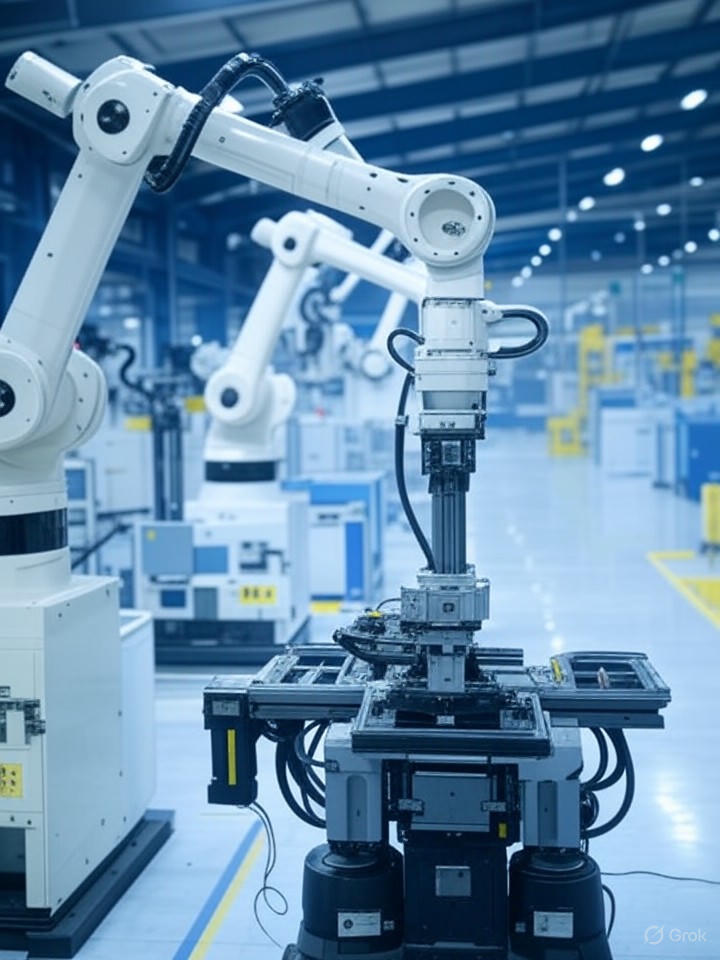
In the fast-evolving landscape of technology, 2025 is poised to be a pivotal year where artificial intelligence (AI), quantum computing, and sustainable innovations converge to redefine industries. Experts predict that AI will enhance operational efficiencies and drive strategic transformations across various sectors. According to McKinsey & Company, autonomous systems and adaptable AI are transitioning from pilot projects to widespread adoption, signifying a shift toward hybrid human-machine workflows.
This surge is fueled by advancements in generative AI, which is reshaping everything from healthcare to manufacturing. Notably, publications like BBC Innovation highlight how AI integrations with the Internet of Things (IoT), blockchain, and 5G networks are expanding its role in real-time decision-making. Meanwhile, trends in sustainable technology, such as bio-based materials and decentralized renewable energy, are gaining traction amid rising environmental concerns.
### The AI Dominance and Its Expansive Reach
AI’s evolution into collaborative tools emerges as one of the most significant trends as we approach 2025. In a recent Medium article by Ameya Kshirsagar, AI-powered decision-making and multilingual generative models are expected to take center stage. Social media platforms like X are abuzz with discussions about AI’s integration with emerging technologies, pushing boundaries in sectors such as gaming and enterprise solutions.
Specific breakthroughs, such as AI-driven diagnostics and telemedicine platforms, are setting new standards in healthcare. As reported by SciTechDaily, innovations in nanotechnology and biotechnology complement AI, leading to faster clinical trials and personalized medicine. Experts from IDTechEx emphasize that “key technology innovation trends are shaping the next decade,” including innovative osmotic power systems and new structural battery composites that enhance sustainability.
### Quantum Computing and Connectivity Advances
Quantum computing is rapidly advancing and holds the potential to revolutionize cryptography and complex simulations. According to the World Economic Forum, as shared in posts on X, quantum technology is highlighted as one of the leading emerging technologies for 2025. This aligns with insights from Reuters Technology, demonstrating that quantum advancements are being integrated with 5G to facilitate IoT and augmented reality (AR) innovations.
Another critical trend is edge computing, which enables real-time data processing at the source. According to WIRED, edge technologies are becoming mainstream, largely driven by sustainable practices. For instance, The New York Times analyzes how major tech companies and startups are actively investing in green technologies to tackle supply chain issues and potential AI risks.
### Sustainable Innovations and Emerging Sectors
Sustainability is now a priority, with trends like advanced waste management and agri-tech manufacturing gaining momentum as we approach 2025. Users on X, such as Sneha S, foresee the emergence of new sectors focused on bio-based materials and micro-factories, with blockchain technology playing a crucial role in decentralized energy solutions. Simplilearn’s list of top technology trends supports the notion that AI, cybersecurity, and blockchain are pivotal in shaping industries.
In healthcare, breakthroughs fueled by AI are particularly promising. BBC Innovation explores AI’s transformative role in health diagnostics, while Fox Business highlights advancements in electric vehicle (EV) batteries that facilitate faster charging—an essential component in the shift toward electric transportation, as noted in commentary on X by Anonymous Hacktivist.
### Investment Themes and Market Dynamics
Investment in AI infrastructure is on the rise, with major cloud providers like Google, Amazon, and Microsoft monetizing their systems. An insightful post on X by Oguz O. identifies investment themes for 2025, including digital banking and AI infrastructure. McKinsey’s technology trends outlook places applied AI and advanced connectivity as high-impact areas for executive strategies.
Despite economic challenges, global market dynamics exhibit resilience. IT Brief’s Tech Trends 2026 preview emphasizes the importance of trusted partnerships in meeting rising demands. ScienceDaily highlights prototypes for future tech advancements, including foldable screens and AI models capable of near-human reasoning.
### Challenges and Ethical Considerations
While innovation is widespread, challenges surrounding AI risks and ethical considerations persist. Computer.org’s tech news discusses emerging cybersecurity vulnerabilities and IoT trends. UpGrad has created an infographic listing 35 new technology trends, underscoring the necessity for responsible implementation of innovations in areas such as data science and virtual reality.
Thought leaders urge organizations to prioritize adaptability. A thought-provoking post by Sudeep Srivastava quotes McKinsey about the transformative potential of autonomous systems, making the case for hybrid workflows. GT Protocol’s AI Digest outlines visionary goals for 2025, spotlighting trends observed at the Consumer Electronics Show (CES) and in healthcare.
### Future Outlook: Integration and Transformation
The anticipated integration of these technologies promises to yield transformative impacts across industries. Asta’s post on X reiterates that AI will serve as a key collaborator alongside a rise in sustainable technological practices. F1GMAT’s analysis of the technology industry in Q3 2025 highlights investment and workforce trends, pinpointing significant shifts in infrastructure.
A compilation of emerging technologies from AvaChat emphasizes innovations such as osmotic power, further illustrating the excitement surrounding these developments. As stated by @WORLD VIEW on X, “AI dominance continues in 2025 with generative AI reshaping industries,” reflecting a year brimming with monumental changes.
### Industry-Specific Applications and Case Studies
In manufacturing, the advent of 3D printing and micro-factories is expected to disrupt traditional production models. An X post by SA News Channel details how AI integrations are not only improving operational support but are also influencing strategic planning. The Financial Times’ analysis, sourced from their comprehensive coverage, delves into specific industry shifts and explores technology’s economic implications.
Transportation is witnessing significant EV advancements, with ScienceDaily reporting on new battery technologies that promise increased efficiency. In finance, the rapid evolution of digital banks is featured in investment themes circulating on X. These case studies illustrate that trends are interconnected, leading to comprehensive transformations across various sectors.
### Global Perspectives and Policy Implications
Global innovations are showing regional variations. Reuters Technology covers global developments, such as Asia’s leadership in 5G and Europe’s commitment to sustainable tech. Posts from users like Ariel on X discuss important astronomical discoveries alongside innovations in satellites, demonstrating how space technology intertwines with terrestrial advancements.
Policy must play a pivotal role in this technological landscape. McKinsey & Company warns of the regulatory needs accompanying AI and quantum advancements. IDTechEx offers free insights on evolving trends from 2025 to 2035, emphasizing the major forces that will shape the coming decade.
### Innovators and Key Players Driving Change
Key players in this landscape include OpenAI, known for its ambitious plans as reported by GT Protocol’s digest. Startups focused on agri-tech and mental health applications are gaining traction, drawing support from venture capital. The New York Times analyzes the role big tech companies play in shaping internet culture alongside the rise of startups.
Collaborative efforts are becoming crucial. According to BBC Innovation, global partnerships are emerging, particularly in the areas of AI, health, and environmental initiatives. As technology continues to evolve, these innovators will define the trajectory of change, firmly establishing 2025 as a landmark year for technological advancement.