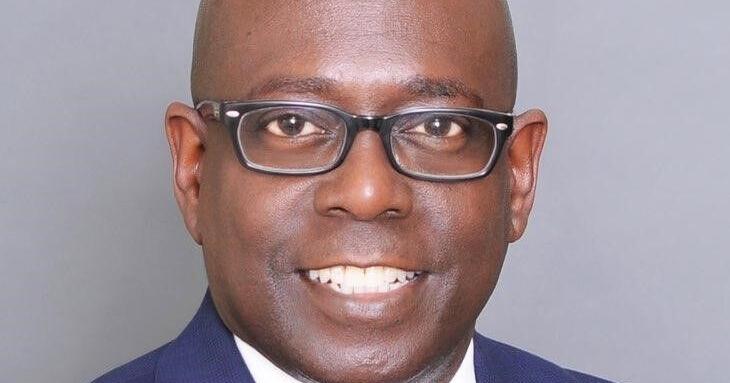
Building Community Through Capital: Percy Manson and Hope Credit Union
Percy Manson has carved out a significant niche at the intersection of capital and community development. Hailing from Kenner, Louisiana, Manson combines his extensive experience in banking and political consultancy to uplift neglected neighborhoods. His efforts are not merely about financial transactions but are deeply rooted in fostering growth and opportunity for underserved communities.
A New Chapter at Hope Credit Union
After nearly a decade as a commercial banker with Gulf Coast Bank & Trust Company, Manson took on a new role as Senior Vice President of Community Economic Development at Hope Credit Union. In this capacity, he manages a team across Louisiana, delivering essential financial products and services to communities often overlooked by traditional financial institutions.
Hope Credit Union, founded in 1995 by CEO Bill Bynum in Jackson, Mississippi, has a clear mission: to provide access to credit for areas that lack financial resources. Over the years, it has expanded to more than 40,000 members and amassed $739 million in assets. In the past year alone, the credit union financed over $210 million in community development across Alabama, Arkansas, Louisiana, Mississippi, and Tennessee, helping to foster economic stability in these regions.
Supporting Homeownership and Small Businesses
In the first half of 2025, Hope Credit Union has made significant strides in homeownership, closing more than 400 home loans, 87% of which were issued to first-time homebuyers. Additionally, the credit union provided nearly 60 loans aimed at small businesses and community economic development, with 89% directed toward economically distressed areas.
Manson emphasizes a hands-on approach, working closely with clients who may be new to banking. He initiates community engagement through "lunch and learns," where he educates potential borrowers about the requirements for becoming "bankable" and qualifying for loans. By connecting clients to technical assistance providers, Manson ensures that they have the necessary financial documentation, like Profit & Loss statements and balance sheets, before applying for loans.
Overcoming Challenges for Small Business Owners
Many small business owners face significant hurdles in securing capital. Traditional banks often require extensive documentation like tax returns, which can be a barrier for new entrepreneurs. Manson identifies this gap and provides personalized support to help applicants navigate the process. He underscores the importance of not only business credit but also personal credit when evaluating borrowing risks.
Hope Credit Union offers various tools that promote economic inclusion, predominantly through education and supportive resources. Manson’s team plays a critical role in encouraging small business viability, emphasizing that understanding one’s financial landscape is essential.
Anticipating Growth Opportunities
As a Community Development Financial Institution (CDFI), Manson sees abundant opportunities for Hope’s growth. Current projects include a focus on charter school and hospital lending. Increasing interest in real estate investment also suggests potential for future expansion. Manson has observed a rise in inquiries regarding real estate investment properties, illustrating shifting market dynamics.
Navigating Economic Challenges
Manson acknowledges the pressures small businesses face in the current economic climate. Many enterprises that previously had stable loans are now experiencing delinquency. This shift compels credit institutions to work closely with borrowers to modify loans and sustain their financial health. He observes that consumer sentiment may be impacting small business viability, as uncertainty leads to diminished spending.
Assessing Structural Risks
When addressing concerns regarding a possible structural credit crisis, Manson reports a small uptick in defaults, though he remains cautious about predicting long-term consequences. Financial institutions, like Hope, are closely monitoring these trends while maintaining a focus on supporting their communities.
Guidance for Aspiring Entrepreneurs
For those embarking on their entrepreneurial journeys, Manson offers crucial advice: Stay informed about economic conditions and understand the unique characteristics of your market. Knowing your banker is just as essential as knowing your doctor, he suggests, as personal relationships can significantly influence financial outcomes.
Choosing the right financial institution is paramount, especially for small business owners. If a bank or credit union is not meeting your needs, Manson encourages seeking out one that will.
By blending financial expertise with a commitment to community development, Percy Manson and Hope Credit Union are making strides in fostering economic opportunity in the Deep South, one neighborhood at a time. Their work exemplifies how targeted financial services can empower communities and stimulate growth in areas that have long been overlooked.