Starbucks Workers Strike on Red Cup Day: An Overview of Labor Tensions
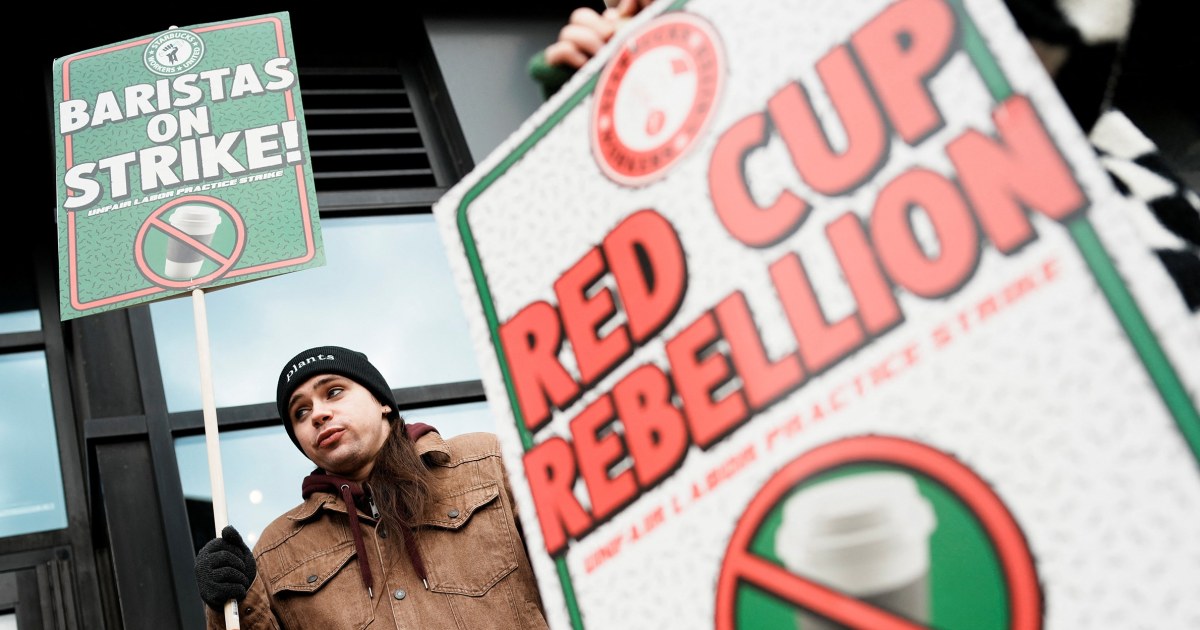
On a day traditionally marked by festive cheer and bustling activity at hundreds of Starbucks locations, over 1,000 unionized workers across 65 U.S. stores decided to make their voices heard by going on strike. This action, part of an effort to protest stalled labor negotiations with Starbucks, unfolded against the backdrop of what is typically one of the company’s busiest days: the much-anticipated Red Cup Day. The stakes were high as this event usually sees the distribution of free, reusable cups to customers who purchase holiday beverages, making it a pivotal day for sales.
The Scale and Impact of the Strike
Initiated by Starbucks Workers United, the union representing the striking employees, the action aimed to disrupt the operations of the company during this key sales period. The strike reportedly affected stores in 45 cities, including major metropolitan areas like New York, Philadelphia, and Starbucks’ home base of Seattle. While Starbucks claimed that the majority of its 10,000 U.S. stores remained open, eyewitness accounts from union organizers indicated that some stores were forced to shutter temporarily, and more closures were anticipated as the day progressed.
As of noon on the East Coast, Starbucks maintained that sales were on track to meet or even exceed expectations, showcasing the company’s resilience in the face of labor disputes. In a statement, they expressed confidence in a strong start to the day, even as labor tensions loomed overhead.
Background on Labor Negotiations
The grievance causing this strike stems from a stalled contract negotiation between Starbucks and the union that began in 2021 when workers at a Buffalo store voted to unionize. Initially, Starbucks expressed optimism, with assurances of finalizing an agreement by the end of 2024. However, leadership changes have since slowed momentum significantly. The ousting of former CEO Laxman Narasimhan in August last year and a lack of bargaining since April have been critical points of contention for the union, which argues that progress has ground to a halt under current CEO Brian Niccol.
Workers’ Demands: Pay and Conditions
At the heart of the strike are demands for better working conditions and fair compensation. Many baristas, like Pittsburgh-based worker Dochi Spoltore, articulated a desire for improved hours, as some employees reportedly struggle to secure more than 19 hours of work each week, preventing them from qualifying for health benefits. Spoltore spoke candidly, highlighting that with a wage of $16 per hour, many feel undervalued while company executives reap significantly higher salaries.
In addition to salary concerns, employees are frustrated with the working conditions inside the stores. Long customer wait times have become a regular occurrence, attributed largely to staffing shortages. Workers also seek resolution on numerous unfair labor practice charges filed against the company, alleging retaliatory firings and unfair treatment towards those actively supporting union efforts.
Starbucks’ Defense and Counterarguments
In response to the strike and workers’ grievances, Starbucks has asserted that it offers competitive wages and benefits—averaging around $30 per hour—across its U.S. operations. The company highlights comprehensive benefits packages that include paid family leave and educational assistance, like full tuition coverage for a four-year college degree.
Starbucks’ Chief Partner Officer Sara Kelly emphasized that the union had walked away from negotiations, implying that the company is open to dialogue but wary of changes that might disrupt its operational model. Such changes include proposals allowing employees to limit mobile orders during busy times, which Starbucks argues could compromise customer service.
Historical Context of Strikes at Starbucks
This recent strike is not an isolated incident; Starbucks workers have previously struck on Red Cup Day in both 2022 and 2023, with varying levels of disruption. Although the company claimed these actions had minimal operational impact, the visibility they provide in highlighting the workers’ concerns cannot be overlooked. Experts believe that retail unions, particularly in customer-facing environments, have unique leverage through public sentiment and customer relations.
Economic Conditions and Starbucks’ Performance
Interestingly, Starbucks has recently reported a slight uptick in same-store sales during the July-September period, attributed to strategic management decisions and increased focus on customer engagement. CEO Brian Niccol has made efforts to enhance the in-store experience, which reportedly includes redesigns and improved staffing protocols.
With sales showing signs of recovery, stakeholders are closely monitoring how this will affect ongoing negotiations. While the present labor environment appears tense, Starbucks remains focused on maintaining its market presence and fostering a positive employee experience.
The Future of Labor Relations at Starbucks
As tensions continue to simmer, the dynamics between Starbucks and its unionized workforce will likely evolve. It remains uncertain how the absence of a contract agreement will shape the future of labor relations within the company. With more locations prepared to join the strike if negotiations remain stagnant, many are left wondering what the next chapter will hold for the iconic coffee chain and its dedicated employees. In the ongoing struggle for labor rights, the power of collective action is more evident than ever.