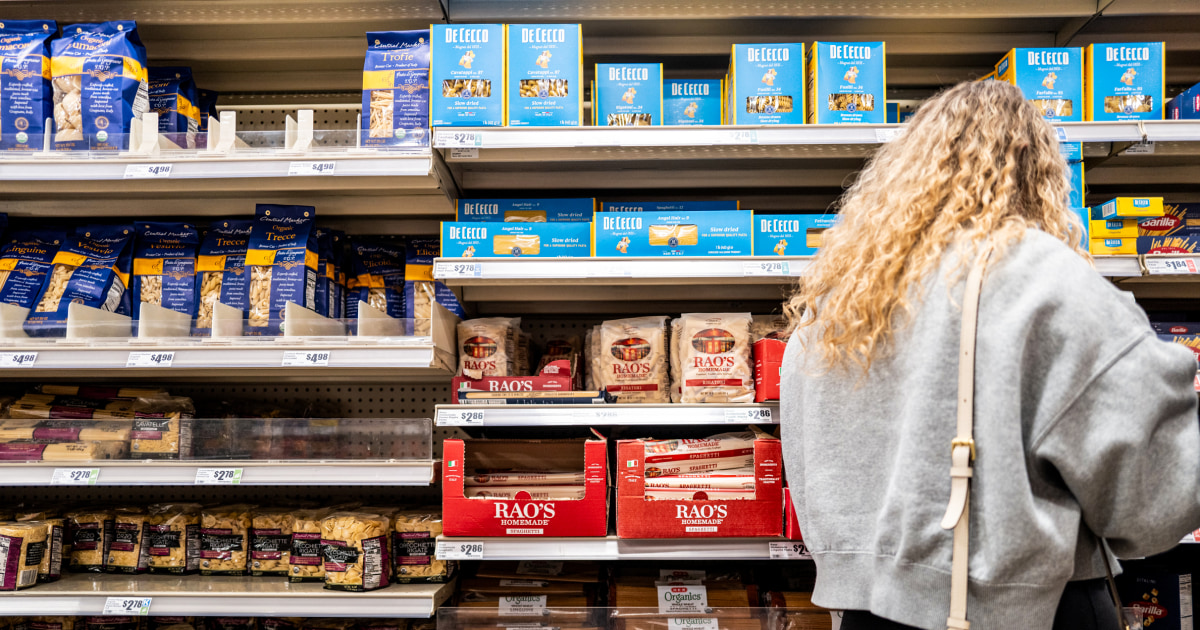
Rising Pasta Prices: The Impact of New Tariffs on Italian Imports
Your pasta could get a lot pricier under new tariffs targeting Italian imports — if you can find them at all.
Starting as early as January, American consumers may face a significant increase in the price of their beloved Italian pasta. The U.S. Commerce Department recently announced that tariff rates on imported pasta from 13 major Italian companies could soar to as high as 107%. This preliminary decision has sent ripples of concern throughout the culinary world, where pasta is a staple.
Potential Price Surge for Consumers
If these new tariffs go into effect, the cost of Italian pasta could more than double. This is particularly concerning for consumers who already cherish their favorite pasta brands. The hefty tariffs may compel companies to pass these costs onto retail buyers, making Italian pasta a luxury rather than a regular grocery item.
A Blow to Italian Exporters
The proposed tariffs are not just a challenge for consumers; they may effectively shut out targeted Italian companies from U.S. markets entirely. Experts warn that the tariffs could “virtually wipe out” exports of pasta to the U.S., erasing years of growth and investment along the supply chain. A statement from Coldiretti, one of Italy’s largest agricultural organizations, highlights the potential devastation these tariffs could bring.
Among the 13 companies facing these tariffs are well-known brands like Barilla, La Molisana, Garofalo, and Rummo. For many American households, these names are integral to family meals.
Background of the Tariffs
The journey leading to this proposed tariff began in September when the Commerce Department issued an initial tariff rate of 92% on the 13 Italian pasta exporters. This rate would be on top of a 15% blanket tariff on exports from the European Union implemented during the Trump administration. The Commerce Department alleges that these pasta companies are "dumping" products—selling them at “less than normal value”—in the U.S. market. They argue that these tariffs are necessary to create a more level playing field for American manufacturers.
Despite the severity of the ruling, the Commerce Department clarified that this is "not a final determination." Parties still have the opportunity to participate in a review, and there has yet to be an increase in tariff rates or cash deposits.
Ongoing Investigations and Diplomatic Relations
The current investigation into these Italian pasta makers began in August 2024 under the Biden administration. Notably, this isn’t the first time the Commerce Department has scrutinized the pasta sector; monitoring has been happening since 1996. However, the substantial repercussions of this review have caught many industry experts by surprise.
For this particular assessment, the department selected two companies—La Molisana and Garofalo—for individual reviews. It found that they “did not provide information” in response to inquiries about potential dumping. Consequently, the department based its findings on what it described as "facts available," which led to the steep tariff number of 92%.
Industry Reactions
Jim Donnelly, Chief Commercial Officer of Rummo USA, voiced his discontent with the situation, indicating that the company is being unfairly penalized for the actions (or inactions) of two other manufacturers. Although he confirmed they would not be pulling their pasta from U.S. supermarket shelves, he projected that their pasta prices could rise from an average of $3.99 to as high as $7.99 under the new tariffs.
“We will absorb this until this bad ‘cookie cutter judgment’ is fixed," Donnelly remarked, expressing confidence that the government would recognize the mistake.
Impact on Restaurants
The looming tariffs are prompting restaurants to rethink their pasta sourcing strategies. In New York City, chef Salvo Lo Castro, who operates the restaurant Casasalvo, reported selling around 200 pounds of pasta each week. Faced with the imminent threat of price hikes, he made the strategic decision to stop importing pasta from Italy and has shifted to making it in-house.
“I don’t want to change the price for my guests; it’s very important,” he stated, emphasizing the significance of affordable dining experiences for his customers. By making the pasta himself, he not only maintains quality but also circumvents dramatic price fluctuations.
Alternatives for Consumers
While there is uncertainty about the future of Italian pasta in U.S. markets, there remains hope for consumers. Some Italian brands produce pasta outside of Italy, which may not be subject to the same tariffs. Barilla, for example, is one of the brands on the tariff list, but it also manufactures pasta in Avon, New York. This could provide an alternative for consumers looking to keep Italian flavors in their cooking.
In a statement to NBC News, Barilla acknowledged the impact of the Commerce Department’s preliminary decision and informed that they are “evaluating possible initiatives” in response to these developments.
As the dust settles on this contentious issue, pasta lovers and restaurant owners alike will be keeping a close eye on the unfolding scenario, knowing that their cherished culinary staple is now caught in a web of international trade policies.