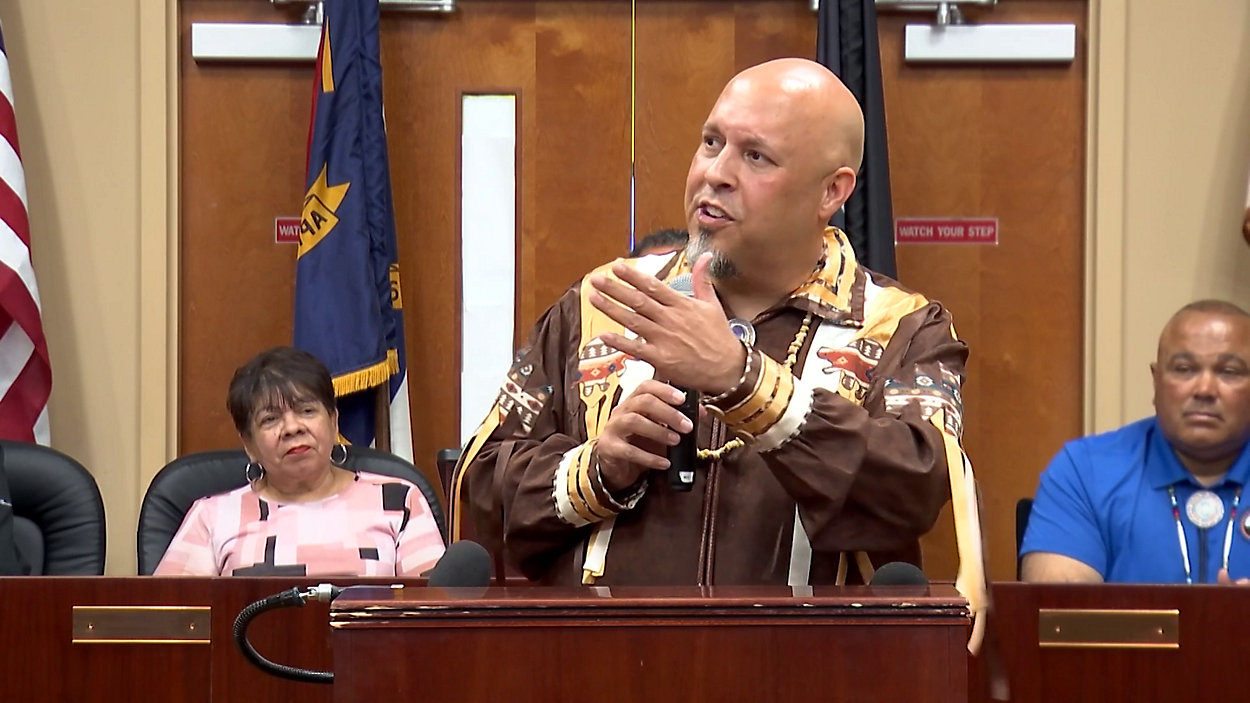
Lumbee Tribe Secures Federal Recognition: A New Era of Opportunity
After over a century of relentless advocacy, the Lumbee Tribe of North Carolina has achieved a significant milestone in late December 2020. With the inclusion of the Lumbee Fairness Act in the annual National Defense Authorization Act, and subsequent signature from President Donald Trump, the Lumbee Tribe has officially become the 575th federally recognized tribe in the United States. This momentous recognition opens new doors to federal programs administered by agencies like the Bureau of Indian Affairs and the Indian Health Service, marking a monumental shift in the tribe’s future.
A New Chapter Begins
For Lumbee tribal leadership, this newfound federal recognition is not just a badge of honor; it’s the beginning of a new chapter focused on economic development, land stewardship, and expanded tribal services. Chairman John Lowery has expressed optimism regarding the opportunities that come with this recognition, particularly in acquiring federal grants and engaging in federal contracting. These avenues have previously been inaccessible to the tribe, but now they have the ability to strengthen their standing in agriculture and other key economic sectors.
The Lumbee Tribe has been preparing for this moment. They have operated Lumbee Tribal Enterprises as a federal contracting entity since 2014 and established an Economic Development and Tourism Department in 2025. This groundwork lays a robust foundation for enhancing Native business initiatives and tourism opportunities aimed at bolstering community stability.
Expanding Economic Horizons
With federal recognition firmly in place, the Lumbee Tribe stands at the precipice of enhanced economic prospects. "From the tribe’s perspective, it creates opportunities to apply for grants that we had not been able to apply for before, to take advantage of economic development opportunities that we hadn’t had opportunities with before," Lowery shared in a recent interview with Tribal Business News.
The journey into federal recognition is expected to unveil previously inaccessible opportunities. "As we navigate the federal recognition process implementation, we’ll learn more. We don’t necessarily know all that is available to us out there, but we anticipate positive outcomes," he added, hinting at the potential advantages awaiting the community.
Strategic Land Management
One of the critical discussions among the tribal council is the strategy for land-into-trust applications. Historically, tribes leverage this move to reap tax benefits that are crucial for future economic development. Lowery pointed out the potential of putting the tribal complex in trust, emphasizing that it is an asset belonging to the people, aimed at preserving resources for generations to come.
“Preserving land as tax-exempt helps reduce costs and allows us to focus on long-term sustainability,” he explained. The notion of stewardship resonates deeply within the tribe, as they consider the broader impact of land management on community health and wealth.
Federal Contracting: The Pathway to Growth
The Lumbee Tribe’s foray into federal contracting has been underway since 2014, with their first company, Lumbee Tribe Enterprises. The tribe’s involvement in the 8(a) program has opened doors for multiple business collaborations. “It’s about growth. We want companies under our umbrella to continue to succeed and eventually graduate from the program while employing our tribal members,” Lowery remarked, outlining the tribe’s goals to foster employment and entrepreneurship among its citizens.
Prioritizing Community Development
Beyond contracting, the tribe is also heavily invested in broader economic priorities. They have recently established a new Agriculture and Natural Resources Department aimed at empowering local farmers. “We want our farmers and ranchers to build wealth in our community. They are vital for providing healthy food options and improving community capacity,” Lowery stated.
Additionally, the introduction of a Health and Human Services Department indicates a long-term vision for comprehensive community well-being. This department has the potential to serve as an economic engine, generating both jobs and services that positively impact tribal life.
Capitalizing on Cultural Tourism
The tribe’s recent creation of the Economic Development & Tourism Department highlights their recognition of cultural tourism’s potential. Lowery described their aspirations for the Lumbee Tribe Cultural Center as pivotal for attracting tourists. Ongoing projects, such as the Wire Pasture Project connected to the Lumber River State Park, are seen as gateways to diverse tourism opportunities. “The cultural center and surrounding nature offer avenues for canoeing, cultural tours, and more,” he mentioned enthusiastically.
This strategic push into tourism not only aims at economic prosperity but also seeks to promote awareness and appreciation of Lumbee culture, fostering connections with broader communities.
About the Author
Chez Oxendine (Lumbee-Cheraw) is a staff writer for Tribal Business News, stationed in Oklahoma. He covers topics related to broadband, Indigenous entrepreneurship, and federal policy, with his work having appeared in various publications such as Native News Online and the Oklahoma Magazine.