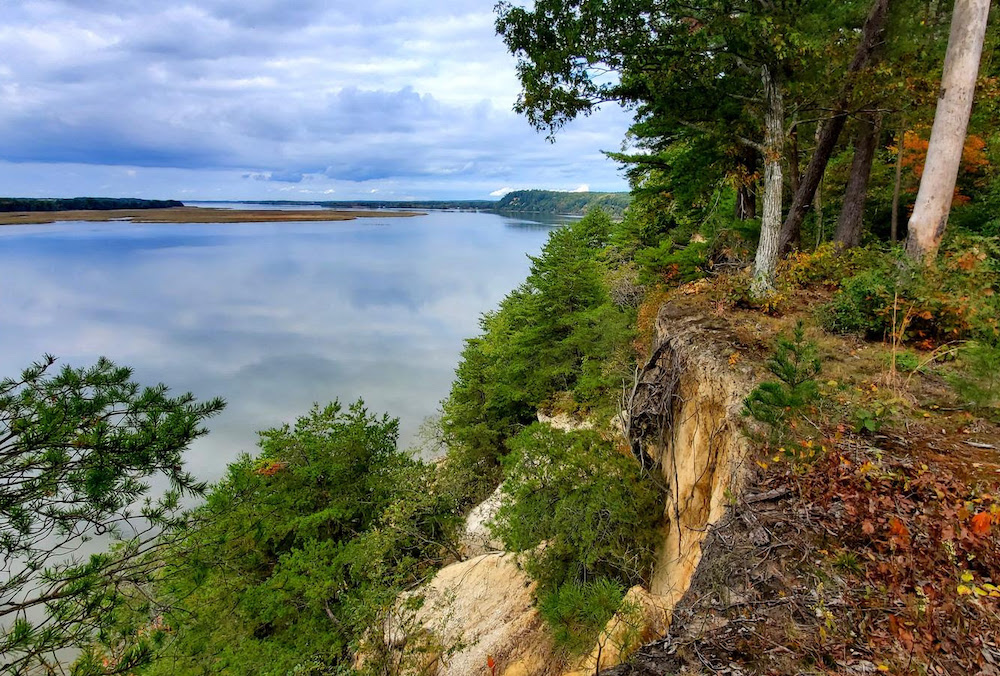
Rappahannock Tribe Raises Concerns Over Water Withdrawal Permit in Caroline County
The Rappahannock Tribe is vocalizing its objections to a recent decision made by state officials that permits Caroline County to withdraw up to 9 million gallons of water daily from the Rappahannock River. The tribe argues that the permit poses a significant threat to the river’s health and undermines their sovereign rights.
State Decision and Approved Permit
In early December, the Virginia Department of Environmental Quality (DEQ) approved a 15-year permit, allowing Caroline County to construct a new intake system and draw a total of 49.275 billion gallons of water for public use over the life of the permit. This decision has sparked considerable discontent among Rappahannock leaders, who assert that the withdrawal endangers the ecological stability of the river, which is a vital resource for the tribe and the environment at large.
Tribal Sovereignty and Environmental Protections
The Rappahannock leaders have voiced strong concerns regarding the lack of consultation from the state before the approval was granted. They emphasize that such actions infringe upon the rights laid out in their recently adopted 2024 Constitution, which acknowledges the inherent rights of the river itself. Chief Anne Richardson stressed the importance of these rights, asserting that the tribe is prepared to fight against the permit. “It is infringing on the rights of nature as stated in our Constitution,” she stated.
Concerns About Ecological Impact
While the county initially sought permission to withdraw a larger volume of 13.9 million gallons daily, public opposition prompted a reduction in the request. The county subsequently removed references to industrial use, yet the tribe warns that the approved permit still allows for an inter-basin transfer. This is particularly troubling because treated wastewater is set to be discharged into the neighboring Mattaponi River basin, potentially impacting a broader ecological system.
The tribe acknowledges the necessity for a sustainable drinking water supply for Caroline County residents but firmly believes that such needs should not jeopardize either the river’s health or tribal sovereignty. Rappahannock leaders are advocating for long-term, collaborative water management solutions that respect both community needs and environmental integrity.
Opposition to Statewide Intake Design Revisions
In addition to their concerns over the Caroline County permit, the Rappahannock Tribe is also opposing a separate initiative from the Virginia Department of Wildlife Resources. This proposal aims to revise statewide intake design and operation standards, a move tribal officials fear could weaken protections for aquatic life. The draft guidance suggests allowing larger mesh sizes and higher intake velocities, which may endanger various aquatic species.
Jack Ryan, the tribe’s director of environmental and natural resources, emphasized that this proposed change could drastically reshape how intake systems operate across Virginia. The tribe urges that temporary solutions, like changing intake guidelines, are not sufficient for protecting the river’s future.
Community Engagement and Future Planning
Overall, the Rappahannock Tribe’s firm stance reflects broader concerns surrounding water management and environmental sustainability in Virginia. As community leaders call for more robust engagement from the county and the state, they envision collaborative efforts that prioritize both human and ecological needs.
The ongoing dialogue around water rights and environmental stewardship is vital, especially as local communities seek to balance development and conservation. The Rappahannock Tribe’s commitment to defending their rights and the health of the Rappahannock River illustrates the complexities at play in the realm of water resources and tribal sovereignty.