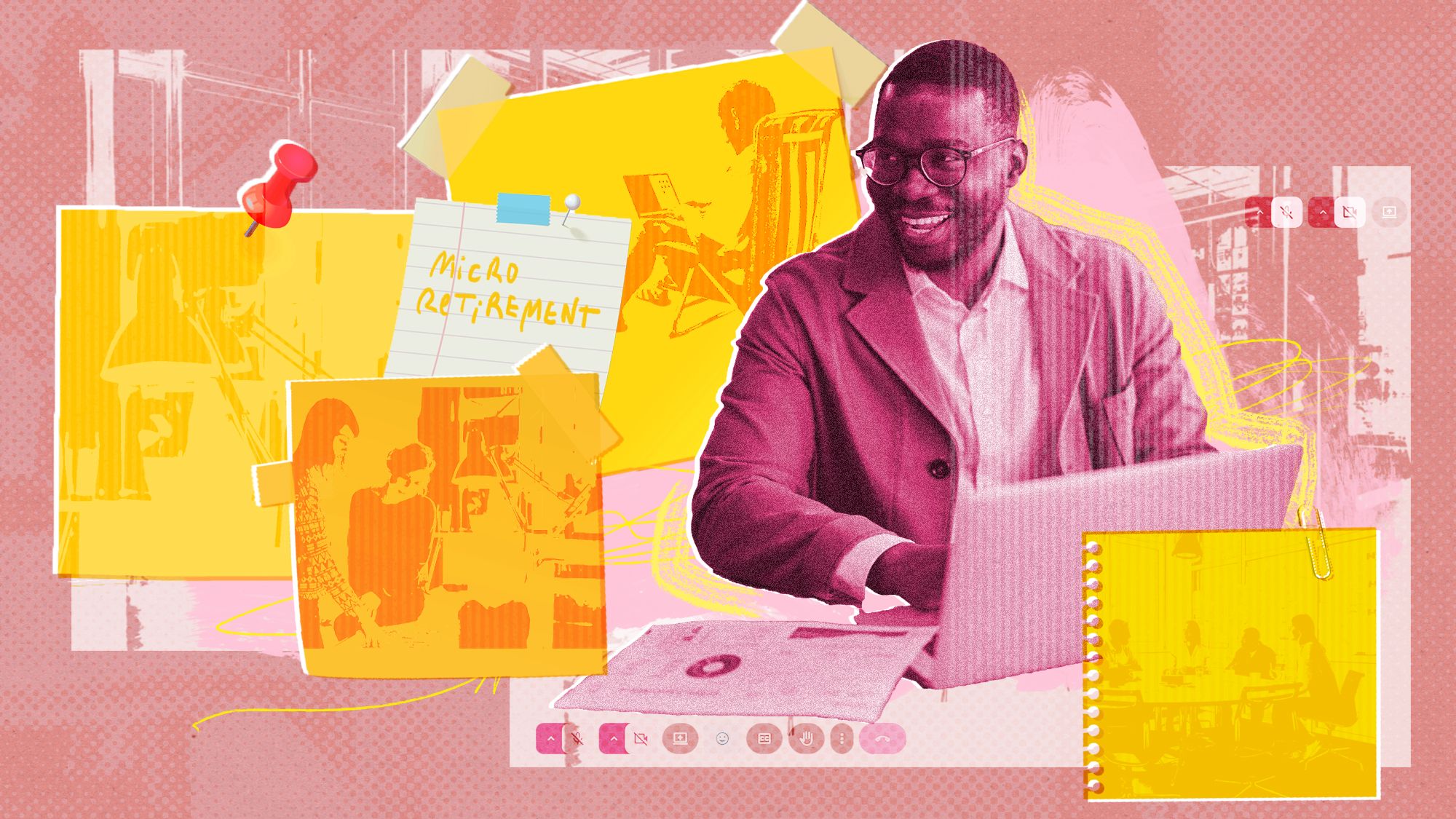
Navigating the New Work Culture: How Gen Z is Reshaping Our Relationship with Work
As we delve into the evolving landscape of the workplace, especially in the wake of the pandemic, it’s apparent that Gen Z is at the forefront of redefining the relationship between work and life. Many of the neologisms emerging from this generation center around their desire to find balance, prioritize mental well-being, and challenge traditional workplace norms. While some view these practices as signs of laziness, a closer look reveals an ongoing dialogue about sustainability and mental health in the modern workforce.
Acting Your Wage
One of the dominant trends emerging from Gen Z is the concept of "acting your wage." This approach suggests that employees align their effort with their compensation. In environments where salary does not correspond with workload or expectations, individuals may feel justified in performing only the basic requirements of their roles. The correlation with the widely-discussed "quiet quitting" phenomenon amplifies this sentiment — an emphasis on doing what’s necessary without going above and beyond for an employer who isn’t reciprocating in terms of remuneration or recognition.
Bare Minimum Mondays
Another intriguing practice is "Bare Minimum Mondays," a strategy aimed at easing the anxiety that often accompanies the start of a workweek. Conceptualized by TikTok influencer Marisa Jo, this trend encourages individuals to tackle low-stress, achievable tasks on Mondays, allowing for a gentler re-entry into work. While this method purportedly helps combat the dreaded "Sunday Scaries," experts warn it could also inadvertently lead to procrastination, creating longer-term challenges in productivity.
Boreout
Not to be confused with burnout, "boreout" describes the feelings of disengagement and apathy that arise when work lacks stimulation. In a world where over-commitment is condemned, experiencing chronic boredom undercuts motivation and, ultimately, job satisfaction. Boreout highlights the importance of meaningful engagement in the workplace, suggesting that a lack of stimulating challenges is just as detrimental as overwhelming workloads.
Career Cushioning
In an era of economic uncertainty, many workers have begun to engage in "career cushioning." This practice involves discreetly exploring job opportunities while still employed, ensuring that employees remain prepared for potential career transitions. This preventive measure highlights a growing sense of job insecurity, underscoring a proactive approach to career management in a rapidly evolving job market.
Coffee Badging
In a world of hybrid work, "coffee badging" has emerged as a strategy for remote employees to retain visibility within their organizations. This involves showing up to the office, swiping an identification badge, and quickly engaging in superficial interactions before leaving. By maintaining a semblance of presence, employees leverage remote work benefits while adhering to conventional expectations, highlighting the delicate balance many are striving to achieve.
Downshifting
As new technologies disrupt traditional career paths, there’s a marked trend toward "downshifting." This phenomenon sees individuals stepping back from high-pressure roles or management positions to pursue a more fulfilling life. People transitioning from corporate roles to trades or crafts illustrate a growing recognition that fulfillment can come from outside the conventional career ladder. This shift reveals a collective quest for work-life balance rather than relentless ambition.
Microbreaks
Shifting towards enhanced productivity strategies, Gen Z embraces "microbreaks." These brief pauses throughout the workday serve as effective energy boosters, aiding in fatigue recovery and promoting focus. By prioritizing self-care in smaller doses, younger workers combat the perception that long hours are synonymous with productivity, challenging conventional norms of time management in professional settings.
Quiet Firing
As a counterpoint to "quiet quitting," we find "quiet firing," a troubling practice occurring when employers withdraw from engaging or supporting their employees. In this context, employees may feel overlooked and demotivated, leading to a toxic work environment. The rise of this phenomenon underscores significant gaps in the dynamics between organizations and their workers, suggesting a need for improved communication and support structures.
Rage Applying
"Rage applying" describes the act of sending out multiple job applications in response to workplace dissatisfaction. While this may not be the most effective strategy in an increasingly automated hiring landscape, it offers an emotional release for frustrated employees. It serves as a coping mechanism, reflecting the ongoing struggles many face in finding fulfillment within their current positions.
Resenteeism
The term "resenteeism" captures the mindset of employees who show up to work but lack motivation, mirroring feelings associated with both absenteeism and quiet quitting. This presence without purpose reveals a disconnection between management practices and employee expectations, indicating that organizations may need to reassess their engagement strategies to foster a more motivated workforce.
Snail Girl
The "snail girl" archetype represents a shift from the ambitious "girlboss" mentality to prioritizing a balanced life over relentless career pursuit. This designation celebrates individuals focused on mental well-being, signifying that success doesn’t require constant hustle. It encapsulates the movement toward valuing fulfillment and health over mere career advancement.
Taskmasking
Lastly, the trend of "taskmasking" illuminates the behaviors of employees who appear busy while disengaged. This phenomenon, referred to as "productivity theater," involves employees creating the illusion of productivity while often engaging in unrelated tasks. It reflects the struggle many face in environments where visibility can outweigh active engagement, highlighting a need for trust and genuine productivity metrics.
Toxic Productivity
Rounding out the conversation on contemporary workplace culture is the notion of "toxic productivity." This mindset revolves around the belief that continuous work equates to success. Gen Z critiques this practice, rejecting the idea that relentless ambition should come at the cost of mental well-being and personal health. Their growing skepticism towards this archaic work ethic signals a larger shift in workplace values.
In this evolving landscape, Gen Z is crafting a new narrative for the modern workforce — one that prioritizes health, fulfillment, and balance. By embracing these trends, the generation is paving the way for a more sustainable work culture that values human experience alongside productivity. Each term reflects a collective desire for a healthier relationship with work, indicating profound shifts in how we approach our careers and our lives.