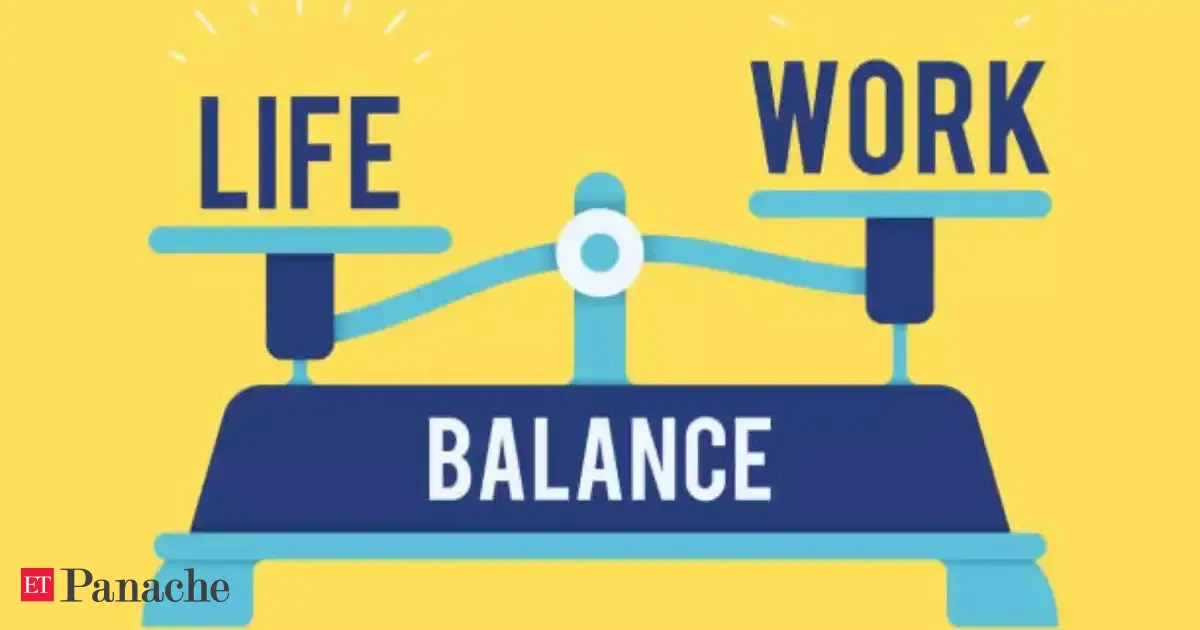
A Breath of Fresh Air in the Corporate World: One Indian CEO’s Remarkable Commitment to Work-Life Balance
In an era where headlines are dominated by CEOs advocating for grueling 70- to 90-hour workweeks, one Indian boss is turning the tide by championing work-life balance. This refreshing approach has resonated with many, as evidenced by a viral post on the subreddit Indian Workplace. An employee shared their experience working under a manager who not only understands the importance of personal time but actively encourages it, creating an environment that many can only dream of in today’s fast-paced corporate world.
The Setting: A Multinational Firm with International Values
The employee described their manager, who, despite being Indian, works in a multinational company influenced by different cultural norms and distanced from the traditional expectations often associated with Indian workplaces. Rather than imposing stiff schedules, this leader has cultivated a workplace culture that prizes individual well-being above relentless productivity.
For many employees accustomed to demanding startup environments, the shift felt liberating. The manager’s insistence on promoting work-life balance challenges the status quo, allowing them to prioritize personal time without fear of repercussions.
The Daily Routine: A Flexible Approach
In stark contrast to the often rigid corporate schedules, the employee illustrated a typical workday that reflects this newfound flexibility. The employee describes an average morning waking up late, rolling out of bed by 11 a.m., and logging in at noon. The relaxed approach doesn’t end there; the manager sets a clear boundary by encouraging employees to log off by 7 p.m. daily.
This nurturing attitude cultivates a sense of freedom among employees, allowing them to manage their time effectively. Even if urgent tasks demand attention beyond typical hours, there’s still an understanding from management regarding personal boundaries. It symbolizes a significant cultural shift, a breakaway from the expectation that employees should be perpetually available.
Community Reaction: A Collective Sigh of Relief
The post ignited a flurry of commentary among Reddit users, many expressing astonishment at such a supportive work culture. The discussion illuminated the striking disparities between workplaces. While some shared anecdotes revealing exploitative conditions, others applauded the management style that prioritizes humanity over endless tasks.
One user lamented how their office culture still clung to outdated ideas of productivity, citing that managers insisted on constant updates, leaving little room for genuine free time. Another echoed that experience, detailing how their supervisor continuously pressured late hours, even outside official work commitments.
On a contrasting note, someone recounted how a U.S.-based client recognized the challenges of time zone differences and made adjustments. The host of the meeting sincerely apologized, even offering to summarize the discussion to accommodate the employee’s schedule. This anecdote further emphasizes the growing need for empathy and understanding within work cultures that span across geographies.
A New Era of Leadership: Advocating for Human Well-Being
The reactions to this post highlight a critical juncture in workforce dynamics, illustrating the urgent need for leaders who prioritize well-being over traditional productivity metrics. The contrast between exploitative employment practices and thoughtful leadership sheds light on the transformative potential of empathy within corporate environments.
This remarkable instance offers a glimpse of what’s achievable when leaders reject tireless labor as a measure of success. Instead, they pave the way for a workplace where personal lives hold value and employees feel cherished for their contributions rather than merely their hours logged.
In a time when many are beginning to rethink their relationship with work, this Indian boss’s commitment to fostering balance stands as a beacon of hope. It pushes forward the narrative that prioritizing human well-being can coexist with corporate success.