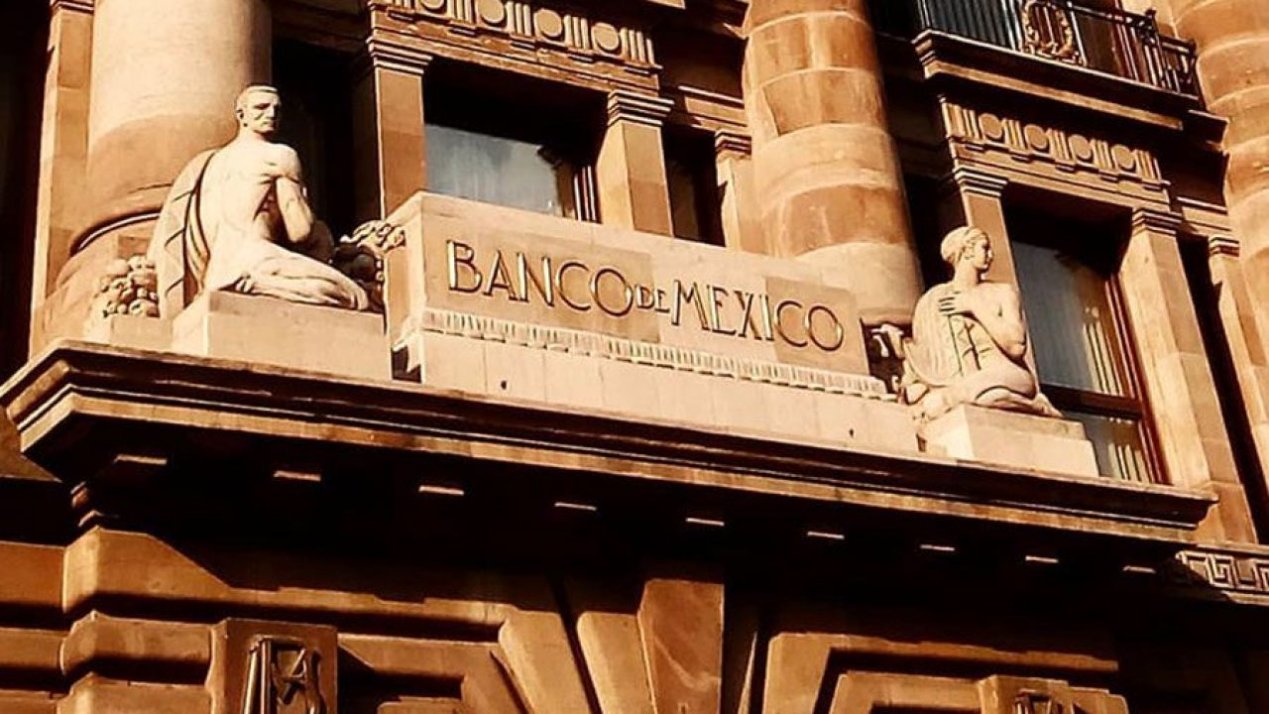
Banxico’s Interest Rate Cut: A New Chapter in Monetary Policy
In a significant move, Mexico’s central bank, known as Banxico, reduced its benchmark interest rate by 25 basis points to 7.0% at its final policy meeting of 2025. This decision has sent ripples through the financial community, as it reflects both an easing monetary stance and an impending need for caution as the landscape shifts heading into 2026.
The Decision Process
The recent decision came after a vote of 4–1 among the bank’s governing board. Support came from Governor Victoria Rodríguez and deputy governors Galia Borja, Gabriel Cuadra, and Omar Mejía, while Deputy Governor Jonathan Heath dissented, arguing for the rate to remain unchanged at 7.25%. This split highlights the differing perspectives within Banxico regarding the balance between stimulating economic growth and managing inflationary pressures.
Easing Cycle and Inflation Concerns
Banxico asserted that the current easing cycle aligns with a broader global disinflation trend and acknowledges the ongoing weakness in domestic economic activity. However, the central bank has revised its short-term forecasts for both headline and core inflation upward. Despite these adjustments, officials maintain an expectation that inflation will eventually converge to the targeted 3.0% by the third quarter of 2026.
This optimism is underlined by the view that while there are short-term pressures, such as rising imports tariffs and fiscal adjustments, the longer-term forecast remains stable. Policymakers seem to repose their faith in inflation rates aligning with their target, even amidst fluctuating economic indicators.
Factors Influencing the Decision
The decision to cut rates was influenced by several key factors. Persistent softness in domestic economic activity continues to challenge growth, suggesting that consumers and businesses might be holding back on spending. Furthermore, the volatility of the Mexican peso adds another layer of uncertainty. Changes in the global trade environment, including tariffs imposed on imports from countries lacking trade agreements, also play a critical role in shaping economic conditions.
These intertwined dynamics make for a complex backdrop against which Banxico must navigate its monetary policies. The board’s deliberations highlighted the importance of global trade policies and how they affect local markets, which shows a responsive and adaptive approach to governance.
Analysts Take on Banxico’s Forward Guidance
In response to Banxico’s latest policy statement, analysts have detected a more cautious shift in its forward guidance. The language used has shifted from a more aggressive stance advocating for continued cuts to a careful assessment of "the timing for additional reference rate adjustments." This subtle change indicates a recognition of the challenges ahead, suggesting a transitional phase where central bank policies may not continue to trend downward as aggressively as in previous months.
Market Expectations for 2026
Economists at major financial institutions, including Banamex and Banorte, indicate a consensus on a "prudent pause" during the upcoming policy meetings of 2026, specifically planned for February 5 and March 26. This pause is anticipated to allow the bank to fully assess the impacts of upcoming price pressures, which are expected to arise from increased IEPS taxes and adjustments to minimum wage levels. Such dialogues reflect a broader awareness of how fiscal decisions at the government level can directly influence monetary policy.
This careful balance of expectations paints a complex picture for stakeholders. Businesses and consumers alike are likely to remain attuned to the developments from Banxico as they sift through the implications for spending, investment, and overall economic sentiment in the New Year.
In Summary
Banxico’s recent interest rate cut reflects a nuanced approach to a complex interplay between domestic economic pressures and global shifts. By narrowing its focus on inflationary dynamics while remaining alert to economic trends, the central bank is positioning itself to navigate the uncertain waters ahead in 2026. As policy developments unfold, the scrutiny of both analysts and the public will continue to shape the trajectory of Mexico’s broader economic environment.