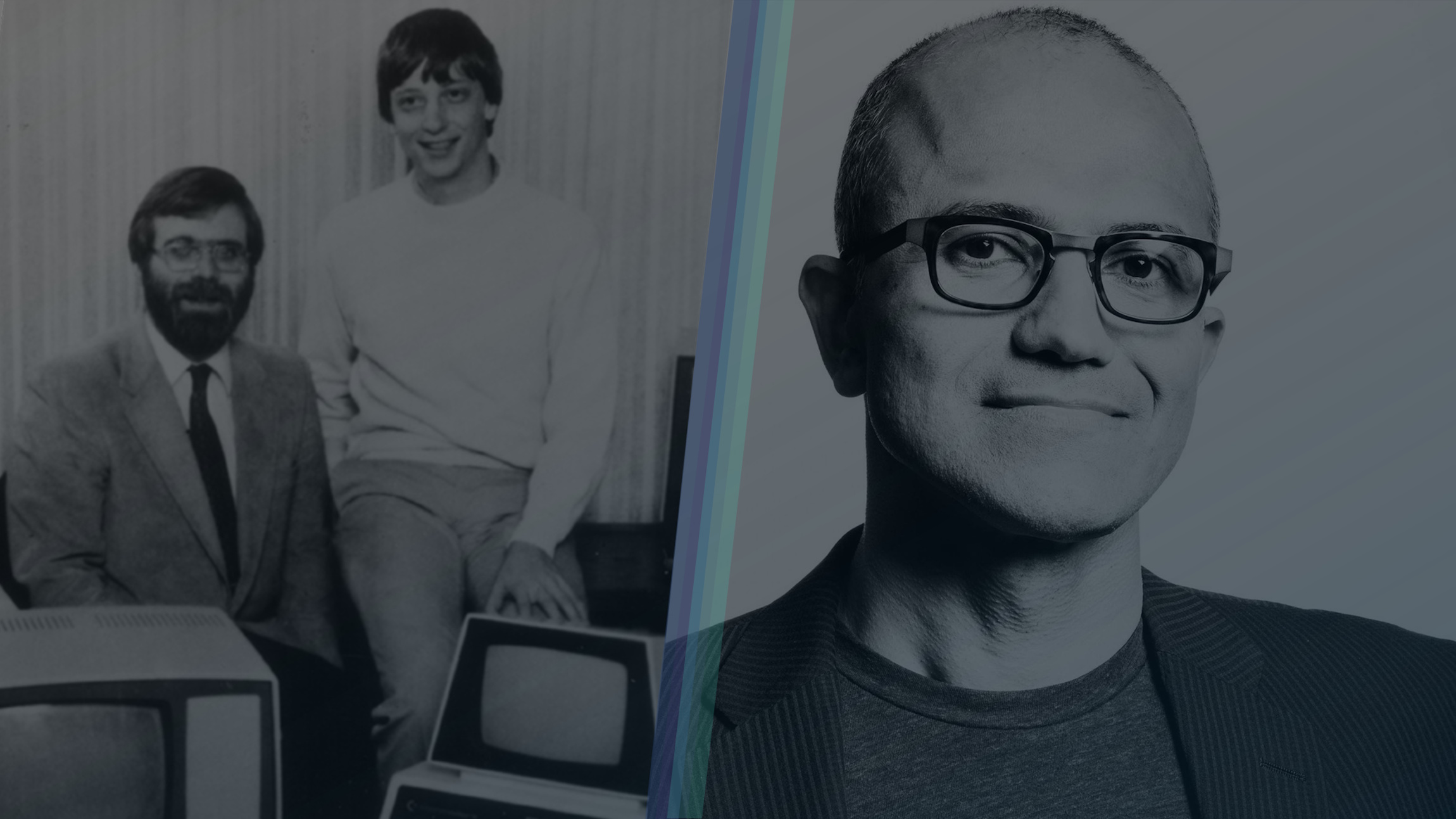
The digital transformation of Microsoft has mirrored the epic saga of personal computing itself. It began in the early days with DOS and the formative versions of Windows, matured through the expansive growth of Azure cloud, and is now propelled by the innovative surge in artificial intelligence (AI). Today, Microsoft stands as a colossal organization, employing more than 220,000 individuals who rely on Microsoft Digital, the IT organization, to equip them with the essential tools, technologies, and solutions that facilitate their daily productivity.
The Need for Digital Transformation
The landscape of information technology consistently evolves, with the current pace of change feeling more rapid than ever. Groundbreaking technologies, particularly AI, introduced over the past few years, have the potential to fundamentally reshape both our world and our approach to IT services.
The shift to remote work and online collaboration precipitated by the COVID-19 pandemic serves as a poignant example of how digital transformation can be catalyzed unexpectedly. Microsoft’s history illustrates a pattern of evolving IT practices to meet emerging challenges, characterized by strategic shifts and bold decision-making that reflect the complexities of an ever-changing world.
Mapping Our IT Journey
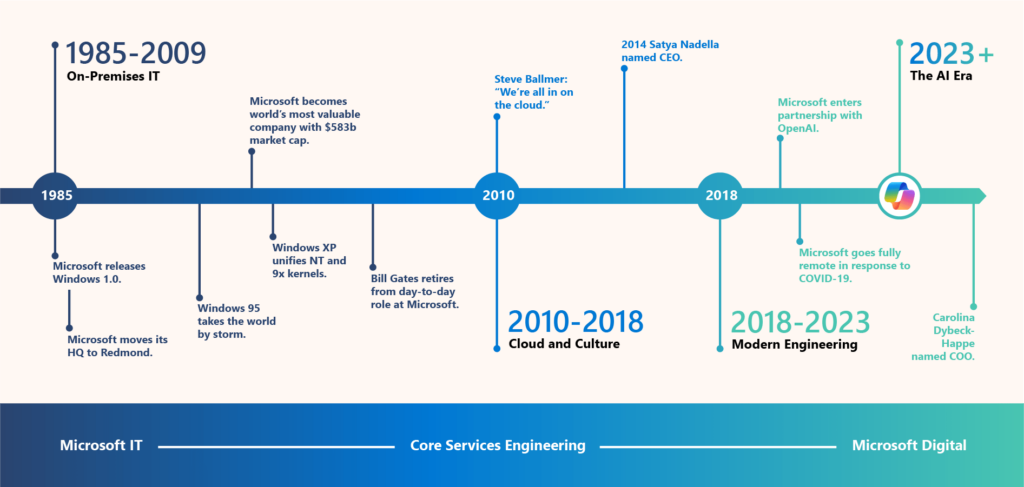
Today, Microsoft Digital is the linchpin that fuels, safeguards, and redefines the digital employee experience across all devices, applications, and hybrid infrastructures within the company. Armed with extensive knowledge and experience in enterprise IT, the focus now shifts to spearheading the company’s AI transformation, whilst enabling customers to take advantage of this monumental opportunity to reshape their operational frameworks.
To understand the trajectory of this transformation, it is essential to revisit the key eras in our IT history. By doing so, we can examine the technological innovations that are currently molding Microsoft Digital.
On-Premises IT: Founding to 2009
A retrospective on our IT operations begins with the On-Premises IT era, which spanned roughly three decades, from our establishment in 1975 until 2009. This period was defined by the reliance on local physical technology, including servers and data centers. IT roles were narrowly defined, where team members primarily acted as “order-takers” and wielded limited influence over strategic decisions.
Financial constraints further hampered growth opportunities for the IT organization, leading to dependency on external vendors for development work. “Shadow IT” emerged as a workaround, wherein various internal teams procured their technology backend without formal IT oversight, creating potential vulnerabilities.
Security became a key focus early on, largely thanks to Bill Gates’s Trustworthy Computing initiative, which stressed security and reliability in Microsoft’s offerings. This foundational period laid the groundwork for future digital transformations.
All In on the Cloud: The Cloud and Culture Era (2010-2018)
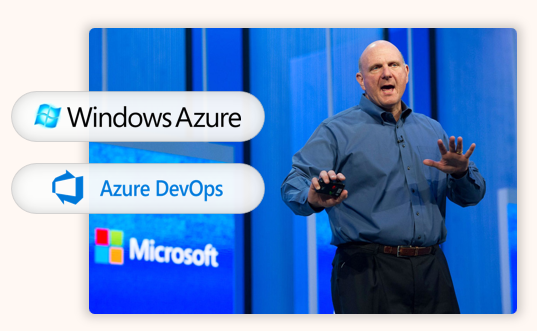
The cloud computing era marked a pivotal shift away from physical infrastructure towards a platform-agnostic approach, a transition initiated by CEO Steve Ballmer in the early 2010s. This monumental change propelled Microsoft from its focus on Windows desktop client towards embracing cloud solutions.
The launch of Windows Azure heralded a new chapter, as we began migrating crucial productivity platforms, such as Exchange and SharePoint, to cloud-based systems. Today, approximately 98.5% of our IT services supporting employees operate on Azure, affirming our commitment to cloud infrastructure.
Cultural Transformation
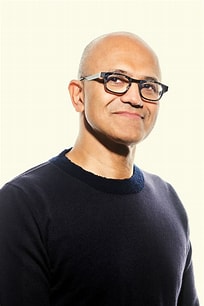
A significant cultural transformation was inaugurated by Satya Nadella’s appointment as CEO in 2014. Transitioning from a “know-it-all” attitude, Nadella implored everyone to adopt a growth mindset, emphasizing collective success over individual accolades. This ethos fostered collaboration, risk-taking, and a focus on customer needs within the organizational fabric.
“Achieving our mission requires us to evolve our culture,” Nadella states, articulating the essence of a growth mindset that fuels the company’s transformation.
Principles such as embracing failure, obsessing over customer needs, and encouraging cross-functional collaboration propelled our digital transformation journey forward, setting the stage for future technological advancements.
A New Vision: The Modern Engineering Era (2018-2023)
The transition into the Modern Engineering era initiated a shift from traditional IT roles to a focus on engineering capabilities. IT became a core engineering function, empowered to establish a clear vision with the intent to guide Microsoft through this new phase.
Each team within Microsoft Digital dug deep into their specific goals, aligning with the greater aspirations of the organization. This new model moved away from mere order-taking and established a space where innovation thrived.
Role Transformation
With the completion of our cloud transition, a shift in IT roles became necessary. In this new landscape, IT professionals were urged to collaborate more closely with business units, requiring a blend of technical proficiency and strategic insight. New skills in Agile management and DevOps became essential to navigate this environment.
The Modern Engineering Era
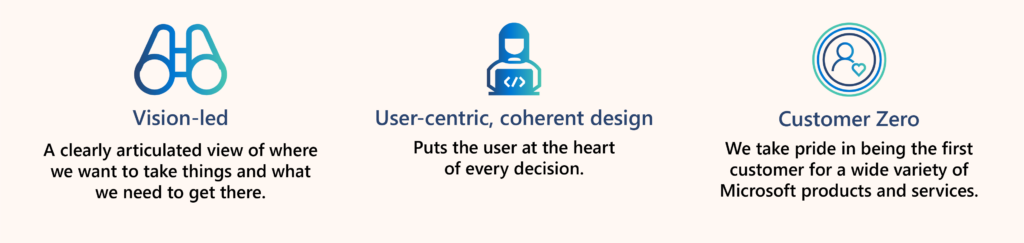
The Modern Engineering era is anchored in three tenets: being vision-led, embracing user-centric design, and adopting our role as “Customer Zero.” This user-centric philosophy enables Microsoft Digital to prioritize employee experiences, aligning physical and digital services with the lived experience of our workforce.
User-Centric, Coherent Design
Our design principles center around enhancing user experiences. By simplifying interconnected systems, we aim to mitigate friction points in employee workflows. This coherence not only fosters familiarity but also empowers users to leverage technology more efficiently.
Embracing Work-from-Anywhere Capability
During the pandemic, our organization was already conceptualizing the new hybrid workplace. We recognized the necessity to offer robust support across multiple facets of the employee experience: physical spaces, digital capabilities, and cultural alignment.
Customer Zero at Microsoft
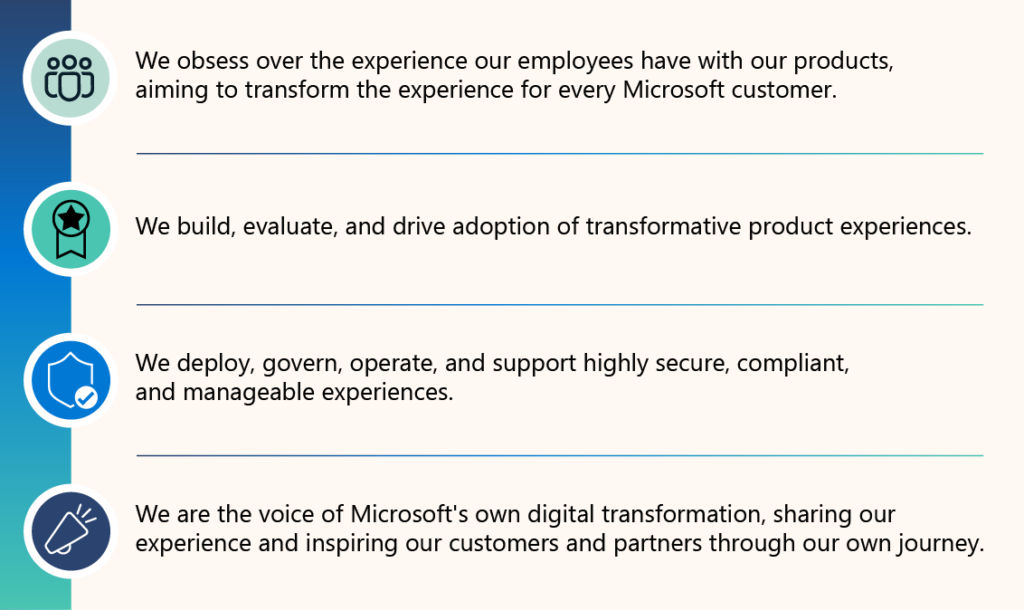
Our Customer Zero philosophy embodies an obsession with the employee experience, positioning Microsoft Digital as the first customer of its products. This approach enables us to forge close collaborations with product engineering teams to create valuable insights, ensuring innovations resonate with real-world needs.
{Read about how we’re improving our employee experience through our Customer Zero focus.}
Managing Shadow IT with a Culture of Trust
The concept of shadow IT refers to unregulated applications and services acquired outside standard protocols. Previously, the aim was to eliminate shadow IT; however, our approach has evolved towards management and optimization, ensuring regulatory compliance while harnessing its growth potential.

Utilizing Azure best practices ensures that while we’re reaping the benefits of shadow IT, we also align with Microsoft 365’s governance protocols to prioritize security and compliance.
{Learn how optimizing our Microsoft Azure usage is helping us manage our Shadow IT.}
The AI Era: 2023 to Present
The current chapter of Microsoft’s transformation is characterized by the infusion of AI into all operational and business processes. This integration is altering how we approach IT and redefining workflows across the organization.
At Microsoft, we are devoted to re-evaluating every facet of our offerings—from apps and workflows to infrastructure—to leverage AI and create heightened efficiencies and innovative solutions for employees.
“The potential for transformation through AI is nearly limitless,” asserts Nathalie D’Hers. “We’re evaluating every service in our portfolio to consider how AI can improve outcomes, lower costs, and create a sustained competitive advantage.”
Our focus revolves around security, enhancing service fundamentals, and advancing corporate functions growth, with a commitment to leveraging robust AI capabilities throughout.
Securing Our Future
Security is paramount in our organization. Under Nadella’s Secure Future Initiative, a collective effort across all corners of Microsoft ensures optimal cybersecurity across all products and services.
“Prioritizing security above all else is critical to our company’s future,” Nadella emphasizes. “If you’re faced with a trade-off between security and another priority, your answer is clear: Do security.”
Guided by three core principles—secure design, default secure operations, and proactive management—we aim to fortify our infrastructure against potential threats while enhancing our response efficacy.
- Safeguarding identities and secrets
- Protecting tenants and isolating production systems
- Securing networks and engineering systems
- Enhancing threat detection
- Expediting response and remediation
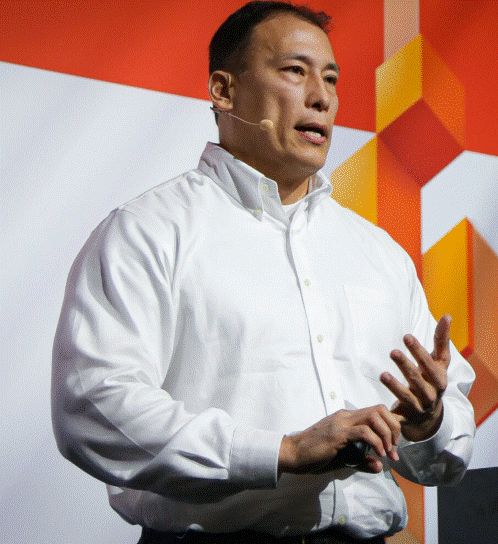
“Our mission is to power and protect Microsoft, and that starts with an unwavering commitment to the Secure Future Initiative,” explains Brian Fielder.
Secure Future Initiative | Microsoft
Transforming and Securing Our Network and Infrastructure
AI is being harnessed to enhance data-driven intelligence across our network and infrastructure. By optimizing these dimensions, we are striving for heightened security alongside improved performance.
Examples of such initiatives encompass:
- Network observability and governance: Ensuring data accuracy and real-time updates.
- Securing endpoints: Device management and patching.
- Zero Trust networking: Limiting unauthorized access and potentially harmful movements within the network.
- Network access: Utilizing Azure VPN and advanced identity management protocols.
{Learn more about transitioning to modern access architecture with Zero Trust.}
Device Management
Managing a vast array of interconnected devices—including over 1 million employee devices—demands significant resources, with thousands of support tickets generated weekly. Our investments in AI span the entire device lifecycle, emphasizing predictive maintenance and intelligent troubleshooting.
- Integrated employee device procurement
- AI-powered predictive maintenance and intelligent troubleshooting
- Advanced insights and data-driven device management
{Check out how we’re rethinking device management internally at Microsoft with AI.}
Foundations: Service Fundamentals
Essential capabilities and practices underpin our service fundamentals, providing a resilient, compliant, and reliable service model that remains critical to our operational success.
Solid Foundations
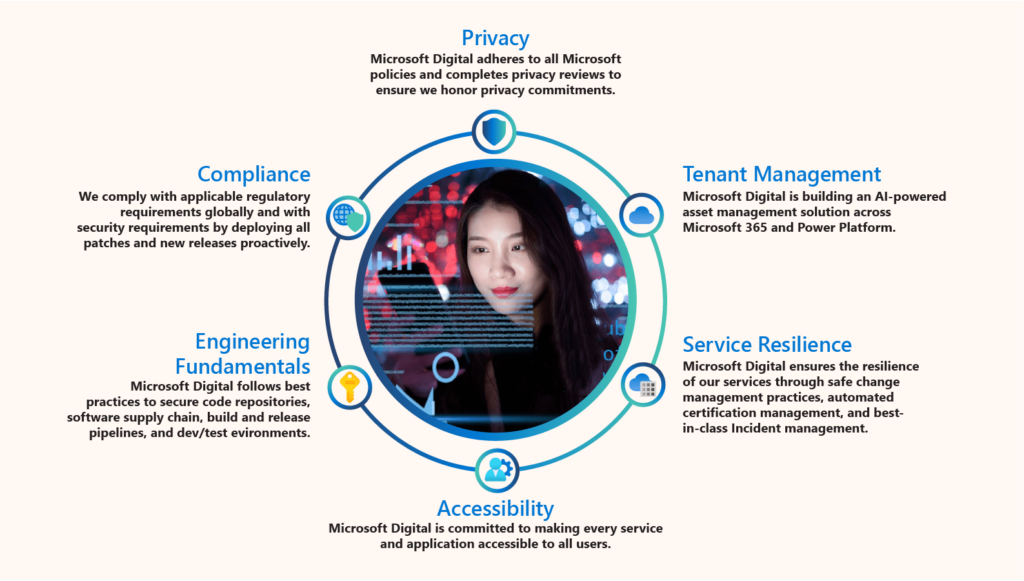
Our focus includes:
- Compliance: Ensuring alignment with global regulatory standards while continuously enhancing our security posture.
- Privacy: Upholding stringent privacy measures in accordance with established policies.
- Accessibility: Investing in tools and protocols to ensure services are usable by all.
- Resilience: Minimizing business disruptions through effective change management practices.
- Engineering fundamentals: Prioritizing secure coding practices to enhance software quality and security.
- Tenant management: Building a coherent asset management framework to secure our environment.
Defragmenting Our Employee Experience
Our vision is to create a unified and personalized user experience, consolidating multiple data and tools into a single platform. A prime example of this is Microsoft 365 Copilot, which serves as a “UI for AI,” streamlining employee interactions with our systems.
“We see AI as the key to unlocking the full potential of our employees, delivering personalized experiences that empower us,” reflects MacDonald.
Key strategies for this vision involve providing contextual assistance, reducing cognitive load by minimizing the number of systems employees interact with, and utilizing AI to automate repetitive tasks.
Tenant Management
Managing a complex tenant to ensure governance and security, our approach involves diligent permission management and data hygiene practices to protect sensitive information.
{Read about how we’re improving security by protecting elevated-privilege accounts at Microsoft.}
Transforming Our Support Experience
By leveraging generative AI, we aim to redefine employee interactions with support services. With automation, many IT issues can be addressed instantly, often eliminating the need for live assistance.
Focus areas include enhancing the user experience for self-help across platforms and utilizing AI to streamline response processes for support agents.
{Find out how we’re modernizing our internal Help Desk experience with ServiceNow.}
Corporate Functions Growth
Our final priority centers around enhancing support for corporate functions—such as HR and legal—aiming for operational efficiency, compliance, and data-driven decision-making powered by AI.
“With AI, we have so many new ways to innovate,” says Patrice Pelland, spanning various operational facets.
- Human Resources: Enhancing communication and recruitment workflows through AI.
- Legal: Streamlining document management and enhancing engagement.
{Read how AI is revolutionizing the way we support corporate functions.}
- Global Workplace Services: Optimizing workspace management using AI and related innovations.
{Find out more about using AI to enhance flexible work at Microsoft.}
- Travel and Expense: Aiming to automate employee expense reporting through AI solutions.
{Check out how OneExpense transformed our employee expense reporting.}
A Catalyst for Change and Growth
Microsoft’s digital transformation is a narrative filled with evolutionary shifts, resilience, and adaptation that spans multiple IT eras. Transitioning from traditional IT roles to a focus on AI-powered innovation, Microsoft Digital serves as a pivotal force within the organization and across the technology landscape.
By prioritizing security, revolutionizing user services, and facilitating growth within corporate functions, our mission remains clear: ensuring every Microsoft employee can achieve optimal productivity in tandem with our customers and partners as we advance together in the future of IT.
“We’ve been through many eras of IT at Microsoft, and I’m so excited to lead Microsoft Digital during this era of AI,” comments D’Hers, encapsulating the essence of our current trajectory.

Our IT digital transformation story offers valuable lessons for organizations in the midst of their own IT journey:
- Be vision-led: A clear, articulated vision is crucial for driving transformation.
- Foster a growth mindset: Encourage continuous learning and adaptability among employees (“learn-it-all” culture).
- Invest in people: Upskill and reskill your workforce to keep pace with technological advancements.
- Insist on security: Prioritize security in all aspects of operations to safeguard data.
- Focus on collaboration and partnership: Create successful hybrid work environments.
- Seek continuous improvement: Use past lessons to shape the future.
- Embrace AI: Leverage AI tools and technologies to drive efficiency and innovation.